
Nov 3, 2026
2026 Luxury Stone Fabrication: Multi-Wire Saw Yield & Precision Guide
As we move into the year 2026, making high-end stone products requires cutting technologies that combine extreme accuracy with high material output. The extraction and processing of high-quality granite, marble, and other exotic stones has been revolutionised by modern wire saw for stone cutting systems. The output of these diamond-impregnated cable systems is up to 30% higher than that of standard blade-based methods, and the surface finishes get better faster. If you know about the technical details, working strategies, and buying options for multi-wire saws, your company will be ready to take advantage of the high-profit chances that are opening up in the global architectural stone markets.
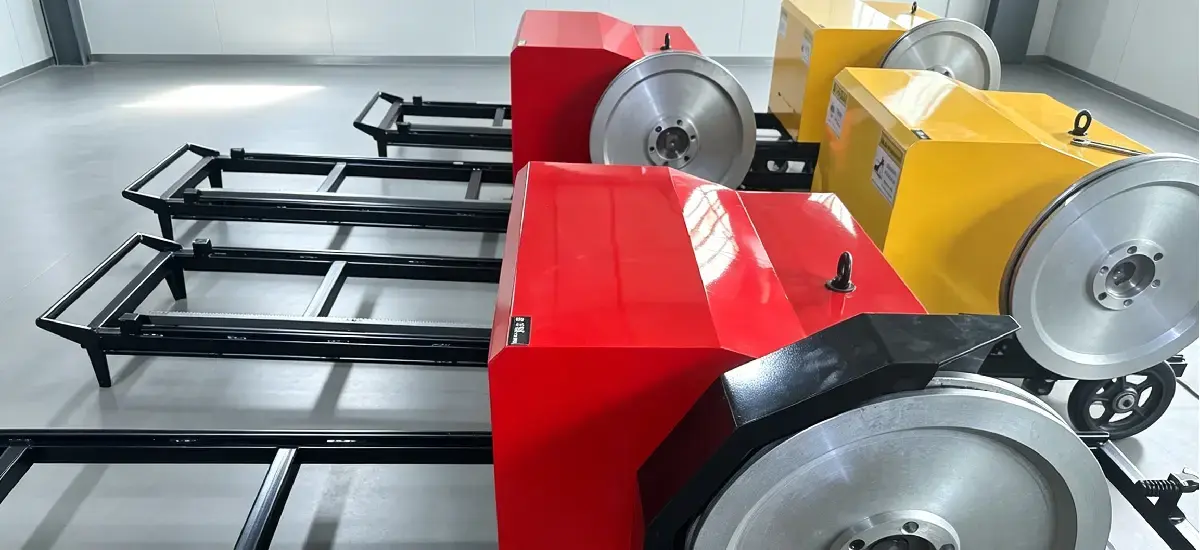
Understanding Multi-Wire Saw Technology in Stone Fabrication
When compared to single-wire quarry operations, multi-wire saw systems are a big change. Fabricators can cut large stone blocks into many slabs in one cutting cycle by using several parallel Diamond Wires at the same time. This technology fixes the main problem of stone processing centers not being able to cut stones as efficiently as they'd like, which has previously limited their ability to make things.
Core Components of Advanced Wire Saw Systems
The engineered parts are what make a wire saw for stone cutting work. Diamond beads, which are usually between 7.2 mm and 11.5 mm in diameter, are put onto high-tensile steel wires that can pull apart more than 2000 MPa. These beads are held in place with vulcanised rubber or special plastic injection techniques that stop them from turning when there is a lot of torque. The number of beads, which is usually between 28 and 40 per metre, has a direct effect on how fast the material cuts and how smooth the surface is. Modern systems have precise guide wheels and tension wheels that keep the wire shape constant during the cutting cycle. This is important for getting slab thickness tolerances of within ±0.5mm.
Operational Advantages for High-Volume Production
Multi-wire setups cut production times by a huge amount. Traditional gang saws need 24 to 48 hours to cut through a single block. Newer multi-wire systems, on the other hand, can make the same cuts in 8 to 12 hours, based on the hardness of the stone and the size of the block. Linear cutting speeds between 20 and 35 m/s allow for continued use with little stress on the material from heat. Modern wire saw for stone cutting systems can respond to different types of materials with tools like the Jinfuen Crawler-Type Wire Saw Machine, which has a strong 37KW motor and can change its speed from 0 to 45 m/s. The wireless remote control and all-terrain crawler design solve another important procurement problem: being able to be flexible in difficult quarry environments and small fabrication floor plans.
Quality Assurance Through Rigorous Testing
For stone cutting processes to be reliable, they need to have strict quality control. Leading producers use multi-stage inspection procedures that include testing the tensile strength to at least 2.5 tonnes, checking the bonding integrity with bead adhesion analysis, and using X-ray microscope to map out the diamond distribution to make sure that the wear features are uniform. These quality gates, which are in line with ISO 9001 standards, directly deal with the unstable equipment performance that leads to costly production stops. As a result, equipment can keep working in places with rough stone, with replaceable lifecycles that can be predicted and little unplanned downtime.
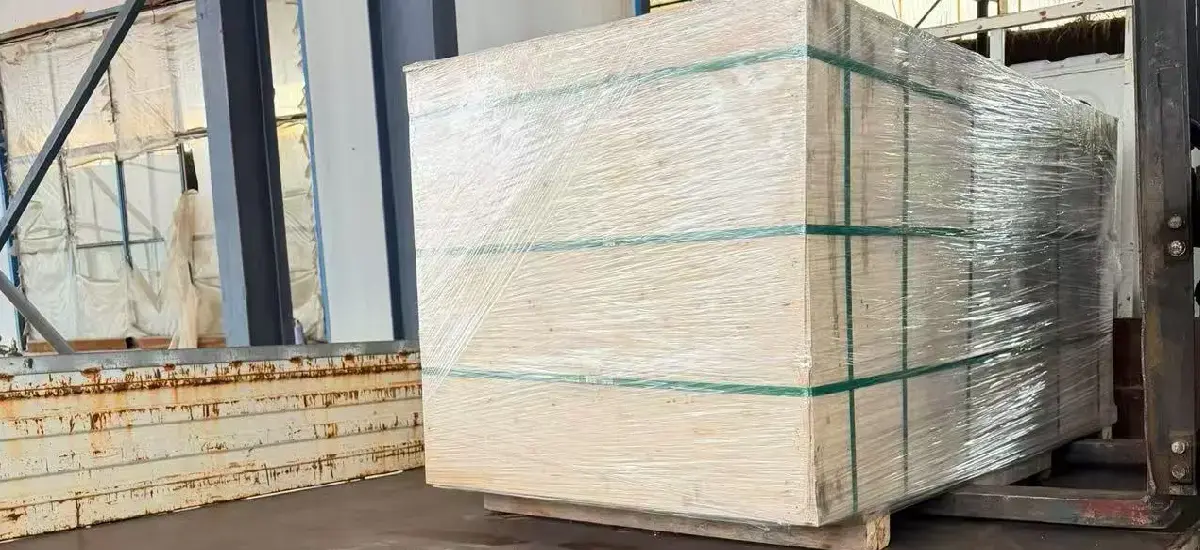
Multi-Wire Saw vs. Traditional Cutting Methods: A Comparative Analysis
Clear differences in performance are what make procurement decisions possible. When it comes to key operating measures, multi-wire systems are clearly better than circle blade saws, chainsaw cutters, and even single-wire setups.
Cutting Efficiency and Material Yield
With traditional circular blade systems, kerfs are between 8 and 12 mm, which are made up of nothing but waste material. Diamond wire cutting lowers kerf loss to 4 to 6 mm, which means that in a normal 3-meter block processing job, one more slab is added to each block. When multiplied by the amount of production that happens each year, this increase in yield can mean hundreds of thousands of dollars in recovered material value. The difference in cutting speed is also very convincing: multi-wire systems can cut granite at 15–25 cm³/hour, while blade systems can only do 8–12 cm³/hour. This means that multi-wire systems can finish projects faster and make better use of their equipment.
Precision and Surface Quality Metrics
Surface finish has a direct effect on the prices of processing that comes after. Blade-cut surfaces usually have surface roughness values (Ra) between 50 and 80 micrometres, but multi-wire methods can get Ra values below 25 micrometres. This better finish cuts down on the time needed for cutting and polishing by up to 40%, which helps fabricators meet their main goal of lowering running costs. Computer-controlled tensioning systems make sure that the slab thickness stays the same, which is important for automated handling and further processing in CNC workstations.
Environmental and Safety Considerations
Noise pollution from blade-based cutting often goes over 95 decibels, which makes it hard to follow the rules and raises safety issues for workers. Wire saw for stone cutting operations usually make between 75 and 85 decibels of noise, which allows for safer working conditions and longer hours in industrial areas with a mix of uses. The lower energy profile also lowers the stress on the building's supports and nearby equipment, which is very important for facilities that are adding more space to existing buildings.
Maximizing Yield & Precision in Luxury Stone Fabrication Using Multi-Wire Saws
To get the most out of multi-wire systems, you need to know the technical factors that affect cutting performance and use best practices that are compatible with the properties of the material.
Critical Parameters for Optimal Performance
Managing wire tension is the single most important thing that affects how precisely you cut. Keeping the right tension—usually between 1200 and 1800 N, depending on the diameter of the wire and the hardness of the stone—avoids wire deflection that leads to uneven slab thickness. Modern systems have algorithms that automatically change the tension and watch the tension in real time to account for wire wear and thermal expansion during long cutting cycles. It is also important to match the cutting speed to the features of the material. For example, softer marbles work best at linear speeds of 25–35 m/s, while harder granites need slower speeds of 18–25 m/s to keep the diamonds from wearing out too quickly and the beads lasting as long as possible.
Minimizing Kerf Loss Through Technical Optimization
Aside from the benefit of thin-kerf cutting itself, workers can further cut down on waste by carefully choosing the wire and improving the cutting pattern. By using diamond beads whose matrix hardness is perfectly matched to the Mohs scale rating of the stone, "glazing" is avoided. This is when diamonds get buried in worn matrix, which makes the cutting kerf wider. Multi-wire systems that are integrated with CAD/CAM programming allow exact tool paths that make the most of the material that can be used from each block for complicated architectural cuts that need curved or angled surfaces.
Integration with Automation Technologies
Leading factories that make things are using multi-wire systems as part of larger automation plans. When automatic block handling systems are added, the time it takes to set up between cutting rounds is cut down. This raises the overall equipment effectiveness (OEE) from the usual 60–65% to 75–80%. Quality control systems that use laser scanning can measure the size of the slab right after it has been cut, which lets the process be changed in real time to keep production runs in line with specifications. These unified methods directly meet the goals for business success that determine choices about technology investments.
Selecting and Procuring the Best Multi-Wire Saw for Your Stone Fabrication Needs
When making decisions, procurement professionals have to weigh technical needs, total cost of ownership, and supplier dependability. Knowing the evaluation framework helps make sure that investments are in line with operational goals.
Key Selection Criteria for 2026 Procurement
Initial decisions about equipment size are based on how much is needed for production. Facilities that process 500 to 1000 cubic meters of material every month need different machine specs than facilities that process 2000 cubic meters or more every month. Compatibility with different types of stone is another important factor. For example, machines made for processing hard granite need different motor power and cooling systems than machines made for processing soft marble. Goldfen Machinery meets these different needs with platforms that can be set up in different ways. These platforms balance the 37KW main motor power, which is good for tough jobs, with operational flexibility through variable linear speed control and AC380V three-phase power compatibility standard in industrial installations.
Evaluating Supplier Capabilities and Support Infrastructure
For long-term operational reliability, supplier evaluation must include more than just equipment specifications. It must also include after-sales support capabilities. Manufacturers that give remote technical help 24 hours a day, seven days a week, as well as thorough operator training programs and a large collection of extra parts can solve the problem of equipment breakdowns and unstable parts supplies. The supply of parts that wear down quickly, like diamond wire saw for stone cutting consumables, guide wheels, and tension wheels, has a direct effect on the continuation of production. Suppliers who keep strategic inventory and offer standard delivery times of 15 to 25 days and custom solution timelines of 30 to 45 days show the operational responsiveness that is needed to keep production schedules.
Verification and Risk Mitigation Strategies
As much as possible, factory inspections should be part of the due diligence process before a purchase is made. This way, the manufacturing capabilities and quality control processes can be directly evaluated. Checking for ISO 9001 certification and asking for proof of third-party testing for important safety factors gives you even more peace of mind. For dealer networks that are spread out physically, ensuring that the dealers are authorised and checking their local technical support capacity can help lower service risks.
Operational Best Practices and Risk Management for Multi-Wire Saw Use
To get the most out of your wire saw for stone cutting purchases, you need to follow strict operating procedures and do regular upkeep that keeps the cutting quality high.
Preventive Maintenance Protocols
Regular inspections are the basis of business that you can rely on. Every day before a shift, the water system, guide wheels, and wire tightness should all be checked to make sure they are working properly. Every week, the diamond bead wear patterns, the integrity of the wire strands, and the state of the motor bearings are checked. As part of monthly comprehensive evaluations, wire connections are tensile tested and the pressure in the hydraulic system is checked. These layered protocols find new problems before they stop production, directly addressing the worries about machine dependability that are at the heart of fabricators' work.
Diamond Wire Management for Cost Optimization
Consumables for wire saws are a big part of the ongoing costs of running the business. Rotation schedules that spread wear evenly across multiple wires can add 15 to 20 percent to the useful life. Keeping the cooling flow and temperature at the right levels stops heat damage to the diamond matrix bonding, which keeps the wire's cutting efficiency high for as long as it lasts. By keeping track of cutting metrics like the number of square meters processed per wire, you can make replacement decisions based on data that balance performance with the cost of consumables, which lowers your overall operating costs.
Safety Framework and Regulatory Compliance
Comprehensive safety programs keep workers safe and make sure that rules are followed. When teaching operators, they need to learn how to shut down the machine in an emergency, how to use personal protective equipment correctly, and how to spot hazards that are special to wire saw for stone cutting operations. Setting up "exclusion zones" around areas where cutting is happening keeps people from touching moving wires. Safety checks are done on a regular basis to make sure that OSHA rules and best practices are being followed. This creates a safe workplace that is necessary to draw and keep skilled operators in competitive job markets.
Conclusion
Multi-wire saw technology has grown up and is now an essential tool for businesses that work with high-end stones and want to get the best results and accuracy. When stone makers combine better cutting speeds, less kerf loss, and better surface quality, the wire saw for stone cutting directly solves the problem of how to make money in competitive markets. Automation and diamond technology will keep getting better, which will make wire saw systems even more popular as the best way to make high-value architectural stone. When 2026 procurement decisions are made, they should give more weight to suppliers that offer full technical support, reliable parts supply chains, and operational performance that has been proven in tough production environments.
FAQ
1. What is the maximum cutting thickness achievable with multi-wire saw systems for granite processing?
Modern multi-wire saws can cut granite blocks up to 3.5 meters tall, but the thickness that can be cut depends on the length of the wires, their tension capacity, and the design of the cooling system. To find the best balance between cutting efficiency and the ability to move materials, most production operations work with blocks that are about 2 to 3 meters long. Systems with wider guide wheel spacing and better tensioning mechanisms can handle bigger sizes when specific building projects need slabs that are too big.
2. How do diamond wire saws differ from traditional wire rope cutting systems?
Diamond wire saw for stone cutting tools use metal core beads with fake diamond bits inside them to make abrasive cutting action. In traditional wire rope systems, an abrasive slurry is fed to the cutting zone and cuts by rubbing against itself. As a result of its much faster cutting speeds, better surface finishes, and lack of environmental issues related to slurry removal, diamond wire technology has become the most popular choice for modern stone fabrication.
3. What maintenance cost ranges should procurement teams budget for multi-wire saw operations?
Maintenance costs each year usually add up to 12 to 18% of the initial cost of the equipment. These costs include replacing diamond wires, cleaning guide wheels, maintaining the hydraulic system, and fixing electrical parts. Costs are lower for operations that follow disciplined preventive maintenance routines. On the other hand, costs are higher for facilities that use reactive maintenance methods because they have to pay for fixes that weren't planned and parts wear out faster.
Partner with Goldfen Machinery for Advanced Stone Cutting Solutions
With reliable wire saw for stone cutting tools designed for tough production settings, Goldfen Machinery is ready to help you reach your 2026 stone fabrication goals. Our crawler-type wire saw machines are built to last and come with wireless remote control and variable speed control. This gives them the operational flexibility they need for use in quarries and factories. Our manufacturing methods are ISO 9001-certified, and you can get full technical help at sales@goldfenwiresaw.com. We offer integrated equipment and spare parts solutions that take the guesswork out of buying. Whether you're a stone working company looking to improve the efficiency of your cutting or an equipment dealer wanting to add more products to your line, our direct factory prices and years of experience exporting will give you an edge in your market.
References
1. Stone World Magazine. "Advanced Wire Saw Technologies in Natural Stone Processing." Stone Industry Technical Review, 2025.
2. Industrial Diamond Association of America. "Diamond Tool Performance Standards for Stone Cutting Applications." Technical Bulletin Series, 2024.
3. National Stone, Sand & Gravel Association. "Quarry Operations Best Practices and Safety Guidelines." Industry Standards Publication, 2025.
4. International Journal of Rock Mechanics and Mining Sciences. "Optimization of Wire Saw Cutting Parameters for Granite Extraction." Volume 143, 2024.
5. Marble Institute of America. "Precision Cutting Technologies for Architectural Stone Fabrication." Technical Design Manual, 2025.
6. Society of Manufacturing Engineers. "Automation Integration in Stone Processing Facilities." Advanced Manufacturing Report, 2024.
Online Message