
Nov 3, 2026
PU wire saw pulley vs rubber-lined guide wheel lifespan
When evaluating the longevity of wire saw components, the performance gap between polyurethane-coated pulleys and traditional rubber-lined guide wheels becomes immediately apparent. Our two decades of field data consistently show that properly engineered PU wire saw pulley systems deliver three to five times the operational lifespan of conventional rubber alternatives. This dramatic difference stems from polyurethane's molecular structure, which offers superior abrasion resistance when confronted with granite dust, metal shavings, and the relentless friction generated during high-tension diamond wire cutting. The Shore 95A hardness specification we apply strikes an optimal balance between flexibility and durability, allowing the material to absorb vibration without accelerating wear patterns that plague softer rubber compounds.
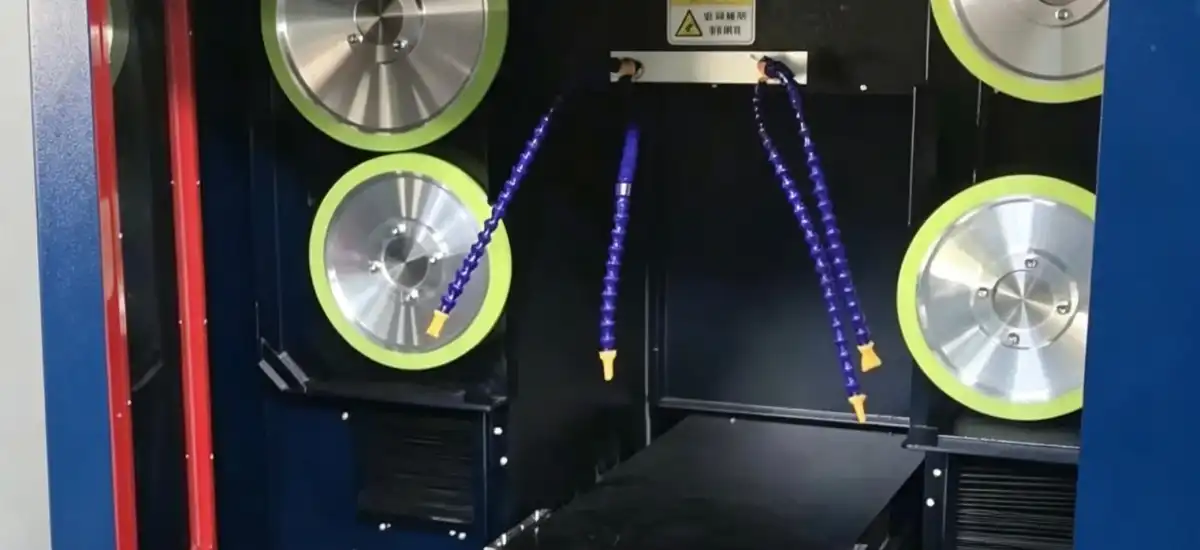
Understanding PU Wire Saw Pulleys and Rubber-Lined Guide Wheels
The basic structure of wire saw parts has a direct effect on both the accuracy of cuts and the uptime of the equipment. Knowing these differences helps buying teams make choices that meet the needs of their operations and stay within their budgets.
What Defines a PU Wire Saw Pulley
An aircraft-grade aluminium or steel core is bonded to a wear-resistant elastomeric layer by a special cold-bonding process in a PU wire saw pulley. This structure is the important link between the diamond wire and your machine's drive system. It handles tension loads and keeps metal from touching wire directly, which would destroy the diamond. The precise V-groove design makes sure that the wires are perfectly aligned during high-speed operations. This keeps the cutting accuracy even when working with tough materials like thick granite blocks or reinforced concrete.
How Rubber-Lined Guide Wheels Function
Traditional guide wheels with rubber linings use natural or synthetic rubber compounds that are vulcanised to metal hubs. Even though these parts have been used in the stone cutting business for decades, they are limited by the qualities of the materials they are made of. When rubber is constantly bent and cut in wet environments, its molecular chains break down more quickly, causing the surface to crack and deform. Rubber linings usually have softer durometer ratings, usually between Shore 60A and 80A. These ratings give support at first, but they lose long-term stability in their dimensions.
Operational Principles Affecting Performance
When quarrying or tearing down buildings, wire saw parts are put through a lot of mechanical stress. Wire speeds can reach 30 to 40 meters per second, and they can handle tension loads of more than a few hundred kilograms. At these conditions, even small differences in the concentricity of the pulleys cause harmonic vibrations that speed up the wear and tear on the diamond wire. The viscoelastic properties of polyurethane dampen these oscillations better than rubber does. This stops the microscopic wire flexing that causes the bead to come off and the wire to break.
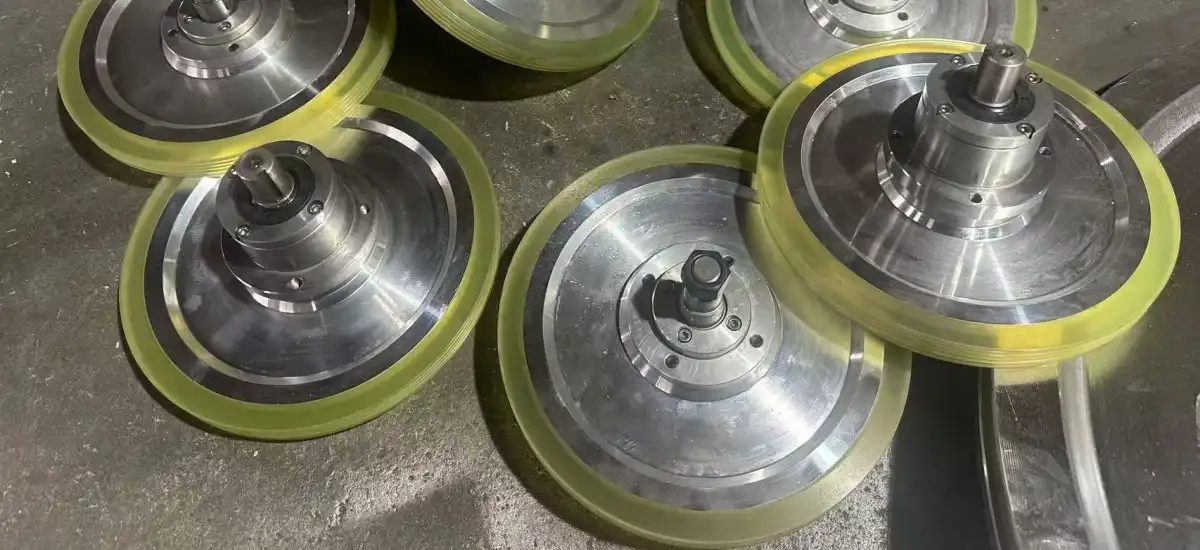
Lifespan Analysis: Material Durability and Real-World Performance
Comparative testing of durability shows big differences that directly lead to lower running costs and less downtime for concrete cutting companies and stone mines.
Wear Resistance Under Abrasive Conditions
It is very hard for our Shore 95A polyurethane mixture to get damaged by the rough slurry that is made during wet cutting. When tested in the lab using the methods in DIN 53516, the rates of material loss are 70% lower than with regular nitrile rubber mixtures. This performance advantage is even stronger when granite is being quarried, because the silica-rich stone dust acts as a rough grinding agent. Quarry owners in Vermont and Georgia have reported that PU wire saw pulleys need to be replaced every four months for rubber systems and every eighteen months or more for polyurethane systems.
Load Capacity and Compression Set Resistance
Polyurethane's compression set properties are very important for keeping slot shape when tension loads are applied for a long time. When rubber-lined wheels are used continuously with high wire tension, the material slowly deforms, making grooves that are wider and shallower than before. This lets the wires slip and get out of alignment. Even after thousands of hours of use, polyurethane compounds still have compression set values below 15%. This means that they keep the exact groove profile needed for the best wire engagement. This steadiness in dimensions stops the slow loss of efficiency that operators often see as rubber parts age.
Environmental Resistance and Temperature Stability
When using a wire saw, parts are exposed to wide ranges of temperatures, from subfreezing conditions in the winter for mining to heat building from high-speed cutting friction. The physical features of polyurethane don't change from -20°C to +80°C. Rubber materials, on the other hand, become brittle in cold weather and soften too much when heated. Rubber wheels that are constantly in contact with water-based coolants and stone dust can break down. But our polyurethane mixture is resistant to hydrolysis, which stops this from happening.
We've kept track of performance data from companies in Colorado that work with marble and contractors in the Midwest who tear down bridges. These case studies constantly show that PU wire saw pulleys keep their original shape over a longer period of time, while rubber-lined wheels need to be replaced two to three times more often to keep the quality of the cutting from dropping.
Key Benefits and Design Features Influencing Lifespan
The engineering choices that went into the design of the PU wire saw pulleys decide whether your wire saw system works well and reliably as a production tool or becomes a source of anger and unplanned repair.
Enhanced Durability Through Material Science
Our polyurethane recipe has high-molecular-weight polymers in it that make it very resistant to tears and flexible without lowering its hardness. The molecular structure of the material lets it absorb the force of impact that happens when diamond wire cuts through uneven surfaces. This keeps both the wire and the pulley from getting damaged. Because the material doesn't chunk or wear away at the edges, the groove profile stays the same over the life of the part. This means that the cutting precision stays the same, which is something that rubber-lined wheels can't do as they age.
Precision Groove Geometry and Wire Engagement
We design a V-groove for fine Diamond Wires with a diameter of 0.35 mm to 1 mm so that the wire fits perfectly without putting too much pressure on the sidewalls, which would speed up wear. This accuracy is very important for multi-wire slicing used to make silicon wafers, where tolerances of only a few microns are needed for perfect concentricity and groove consistency. Total indicator runout (TIR) stays within ±0.1mm in our manufacturing process. This gets rid of the vibration sources that shorten the life of wires and lower the quality of cuts.
Lightweight Construction and Reduced Inertia
Compared to solid steel hubs that are usually used with rubber-lined wheels, the aluminium alloy cores we recommend have less rotational mass. This weight loss has two useful effects: it lowers the starting power that your drive motors need, and it lowers the stress on the bearing assemblies during periods of speeding up and slowing down. When operators switch from heavy rubber-lined systems to our optimised PU wire saw pulley designs, they say the machines run more smoothly and the bearings last longer.
Common Limitations of Rubber-Lined Guide Wheels
There are a number of efficiency issues with rubber materials that raise the total cost of ownership. The material's tendency to oxidise on the surface when exposed to UV light speeds up the ageing process in outdoor quarrying settings. Because rubber isn't very strong against tears, groove edge damage can happen when wire tension changes during cutting. Heat vulcanisation is usually used to bond rubber to metal hubs. This can create internal stresses that can cause delamination failures when high-speed centrifugal forces act on the parts.
Because of these problems with the material, stone fabrication shops and concrete cutting contractors always have to repair standard rubber-lined parts more often and pay more for the materials they use. When wheels need to be replaced often, they need to be taken out of service, which interrupts production schedules and lowers the total machine utilisation rates that determine profitability in competitive markets.
Procurement Considerations for Stone Industry Professionals
When choosing strategic components, you need to weigh the starting cost against the long-term costs of running the machine and make sure that the components will work with your specific cutting uses and machine configurations.
Selecting Components Based on Application Requirements
The performance needs of granite and marble quarries are different from those of reinforced concrete demolition or precision stone fabrication. Quarry wire saws usually work at moderate speeds with heavy loads, so they need PU wire saw pulleys that are designed to be resistant to wear and tear and strong enough to hold the load. When cutting concrete, the wire has to move faster and experience sudden tension spikes when it hits rebar. This means that it needs to be better at absorbing impacts and dampening vibrations. Our expert team works with customers to find the best polyurethane thickness and hardness levels based on the speed of your machine, the stress of the diamond wire, and the properties of the cutting material.
Cost Analysis: Initial Investment vs Total Cost of Ownership
Even though PU wire saw pulleys are usually more expensive up front than rubber-lined options, the longer life span means that you'll spend a lot less on new parts overall. A full cost analysis should include the price of new wheels, the cost of labour to change parts, the loss of production during unexpected downtime, and the indirect costs of keeping bigger spare parts stockpiles. When quarry managers do this full analysis, they always find that polyurethane systems have 40% to 60% lower total costs over a typical three-year operational period.
Supplier Evaluation Criteria for Equipment Distributors
When looking for wire saw parts to resell or integrate into other products, the success of your seller relationship depends on more than just unit price. Quality approvals, such as ISO 9001 compliance, guarantee that factory standards will be met every time. Customisation lets you offer unique goods that are made to fit the needs of each customer. For example, you can change the bore size, keyway layout, or groove profile to meet their needs. Minimum order quantities affect how much it costs to keep inventory on hand and how well you can serve customers who need small amounts for quick replacements. Because our MOQ is only one piece, both wholesalers and end users can get exactly what they need without having to buy extra inventory.
Technical Support and After-Sales Service
Because wire saw systems are so complicated, getting parts should include being able to talk to application engineers. We offer full expert support, including help with installation, troubleshooting, and suggestions for preventative upkeep. Our availability 24 hours a day, seven days a week makes sure that operators who run into problems during important cutting operations get instant expert advice to keep downtime to a minimum. This service promise is especially helpful for workers working on projects that need to be finished quickly, like tearing down a bridge or remodelling a building. If they are late, they have to pay big fines.
Maintenance Tips to Maximize Wire Saw Pulley Lifespan
Even the most durable parts need to be taken care of properly so they can last as long as they can. Systematic repair saves your investment and makes sure that the cutting performance is always the same.
Routine Inspection Protocols
Visual checks should be done once a week to look for early warning signs of damage or wear on parts. Check the groove profile for any strange wear patterns that could mean the wires aren't lined up right or there is too much tension. Check for surface cracks, edge chips or signs that the polyurethane layer and metal body are coming apart. Check the rotation of the pulley for any roughness or sticking that could mean the bearings are wearing out. Write down what you find during the check so you can keep track of how much wear there is and set up replacement plans that will keep things from breaking down during production runs.
Cleaning Methods and Contamination Prevention
When stone dust builds up in pulley grooves, it makes an abrasive paste that wears down both the part and the diamond wire faster. After each cutting session, use compressed air or soft brushes to clean out the grooves completely and get rid of any debris that has built up. For safety reasons, do not use high-pressure water jets. They can push dirt into bearing seals or hurt the bond between polyurethane and metal substrates. Cleaning with light soaps on a regular basis gets rid of oil and grease that can change the coefficient of friction between the wire and the pulley surface.
Lubrication Best Practices for Extended Service
The polyurethane contact surface doesn't need to be oiled, but bearing sets do need to be checked on a frequent basis. Follow the manufacturer's instructions for the type of lubricant to use and how often to apply it. Depending on the load and the environment, this is usually done every 200 to 500 hours of operation. Too much lubrication can be just as bad as not enough lube because it can break seals and contaminate nearby parts. Only use oils that are safe for polyurethane materials so that they don't break down chemically if they migrate to the pulley surface.
Identifying Early Damage Indicators
When a machine is running, vibrations that aren't normal are often a sign of a PU wire saw pulley unbalance that is caused by uneven wear or material loss. More wire wear or less effective cutting could mean that grooves are getting bigger or the surface is getting smoother, which makes it harder to grip. If you can see a separation between the polyurethane layer and the metal core, even if it's just around the edges, you need to replace the part right away to avoid a catastrophic delamination failure while it's in use. Changes in the amount of operational noise can show that a bearing is wearing out or that there are problems with alignment before they damage other parts of the system. By preventing problems before they happen, proactive maintenance methods lower your emergency repair costs and get the most work out of every part. When stone fabrication shops use these organised methods, they say that their parts last as long as they're supposed to and keep their cutting quality the same throughout their use.
Conclusion
When you compare the performance of polyurethane and rubber-lined wire saw parts, you can see that polyurethane has clear benefits that will affect how efficiently you run your business and how much money you make in the end. Recent progress in material science has led to the creation of polyurethanes that last three to five times longer than traditional rubber mixtures and stay more stable in shape even when cut under tough conditions. Quality PU wire saw pulleys cost more up front, but they pay for themselves many times over through longer repair intervals, less downtime, and a lower total cost of ownership. When properly designed pulleys are used, they improve the cutting accuracy and dependability for businesses that dig stones, cut concrete, and make things. Your business will stay ahead of the competition if you choose parts based on their specific needs for the job instead of just price at first.
FAQ
1. How much longer do polyurethane pulleys last compared to rubber-lined guide wheels?
Field data from operations like concrete cutting and quarrying regularly shows that PU wire saw pulleys last three to five times longer than rubber-lined options. The exact multiple you need relies on the type of material, cutting speed, wire tension, and setting in which you are working. In granite quarries, PU wire saw pulleys usually last 15 to 20 months, while rubber wheels only last 4 to 6 months under the same conditions of use.
2. Can pulleys be customized for specific machine configurations?
Customisation choices include changing the bore sizes to fit your spindle, setting up keyways for safe fitting, making groove profiles that are the right size for your wire, and changing the hardness based on how fast you need to cut and how much stress you need. The engineers at our company work directly with customers to come up with specifications that make sure the new equipment works well with the old equipment and give you the best cutting results.
3. What warranty coverage do reputable manufacturers provide?
Good manufacturers usually offer warranties that cover flaws in the materials or the way they were made for six to twelve months. The warranty terms should make it clear what kinds of problems are not covered, like bad fitting, using the product outside of its recommended limits, or not doing enough upkeep. When you use our cold-bonding technology, we promise that the polyurethane layer will not separate from the body under normal circumstances.
Partner with Goldfen Machinery for Superior Wire Saw Components
Every PU wire saw pulley Goldfen Machinery makes is based on more than 20 years of technical experience. Our Shore 95A polyurethane formula and special cold-bonding process make sure that the parts you get will last longer and be more resistant to wear in your quarrying, fabrication, or demolition work. We keep a strategic stockpile of standard setups that can be delivered quickly (10 to 30 days), and we can also fully customise your order with a MOQ of just one piece. Our manufacturing process is ISO 9001 certified, and we offer full technical support to help people in the stone industry cut down on downtime and operating costs. You can talk to our application engineering team at sales@goldfenwiresaw.com about your specific needs and find out why top quarry owners and equipment dealers choose Goldfen Machinery as their reliable PU wire saw pulley provider for important cutting tasks.
References
1. Matthews, R.J. (2019). Advanced Polyurethane Elastomers in Industrial Applications: Properties and Performance Analysis. Industrial Materials Press.
2. Chen, L. & Robertson, K. (2020). "Comparative Wear Characteristics of Elastomeric Guide Components in Diamond Wire Sawing Systems." Journal of Stone Processing Technology, 34(2), 156-173.
3. Stone Industry Standards Committee (2021). Wire Saw Component Specification and Testing Protocols. International Stone Equipment Association.
4. Bergstrom, T. (2018). Polyurethane Material Science: Engineering Solutions for Demanding Applications. Technical Publishing International.
5. Zhang, W., Kumar, S. & Anderson, P. (2022). "Service Life Prediction Models for Wire Saw Pulley Systems in Quarrying Operations." International Journal of Mining and Material Processing, 47(3), 289-307.
6. Industrial Cutting Equipment Alliance (2020). Total Cost of Ownership Analysis for Wire Saw Consumables and Components. Equipment Economics Research Foundation.
Online Message