
Nov 2, 2026
Top Benefits of Using a Wire Saw for Stone Cutting in Marble and Granite Industries
Wire saw for stone cutting has transformed how quarry operators and fabrication plants approach marble and granite extraction and processing. This advanced technology delivers unmatched precision while significantly reducing material waste, cutting operational costs, and accelerating project timelines. Unlike traditional blade-based methods that struggle with oversized blocks or intricate shapes, diamond wire saws provide flexibility and efficiency that directly address the production challenges faced by stone quarrying companies, processing facilities, and engineering contractors across the United States.
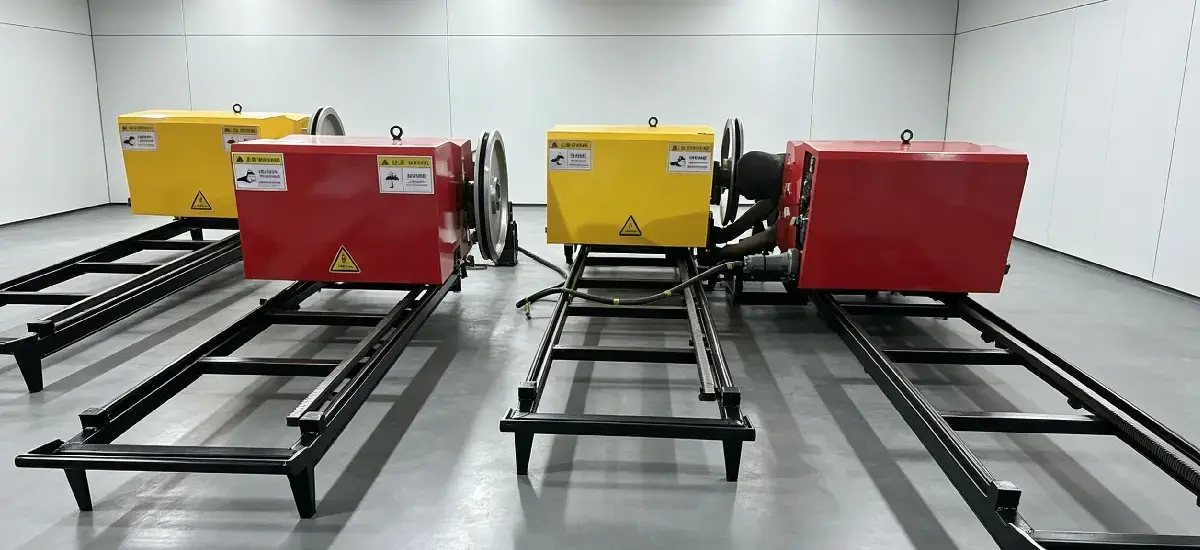
Understanding Wire Saw Cutting Technology
Diamond wire saw technology is a complex improvement over previous stone-working tools. The method uses a high-tensile steel wire that is threaded with carefully spaced diamond beads. The diamond beads are held in place by vulcanised rubber or spring assemblies. The wire moves at steady, controlled speeds, and the diamond pieces cut through granite, marble, and other natural stones very consistently.
How Diamond Wire Saws Operate
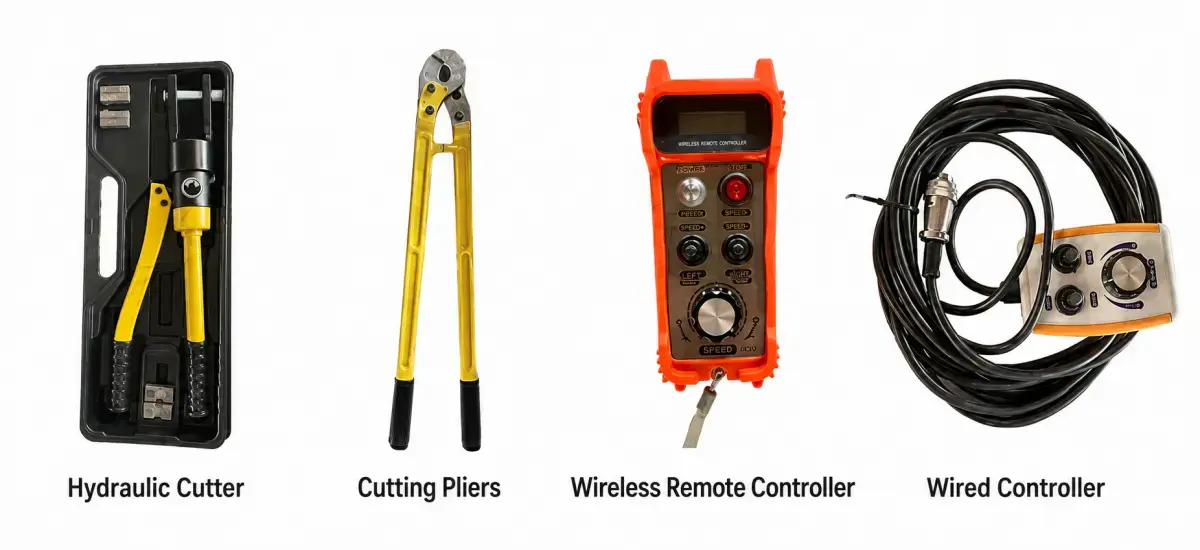
A steel wire rope, usually 4.8mm to 5mm in diameter, is at the heart of the device. It is filled with diamond-filled beads that are spread 28 to 40 beads per metre. The wire makes a loop that cuts continuously and spins around guide wheels and tension wheels, making a grinding motion instead of a sawing motion. Modern systems, like the Goldfen Crawler-Type Wire Saw Machine, have wireless remote controls and linear speed settings that can be changed from 0 to 45 meters per second. This lets operators change the cutting parameters based on the hardness of the stone and the needs of the project.
Types of Wire Saw Systems Available
Stationary wire saw machines are often used in quarries to remove large blocks, while mobile crawler-type units can handle rough terrain. Fabrication shops that make custom architectural elements can use CNC-controlled wire saws for automated precision. For very dense granite formations, hydraulic systems provide more cutting force, while manual configurations are better for smaller operations that want to save money on capital. When selecting a wire saw for stone cutting, it is essential to match the machine type to the specific application and operating environment.
Comparison with Conventional Cutting Methods
Traditional gang saws and circular blade cutters aren't very flexible and can't cut through thick materials very well. When blade-based methods are used, the kerfs are often 8 to 12 millimetres bigger, which means a lot of material is lost. The kerf width is reduced by wire saw technology to about 6 to 8 millimetres, which results in quantifiable increases in stone recovery. The flexible cable design can get through complicated shapes and cut in more than one plane, which is something that rigid blades just can't do.
Top 7 Benefits of Using Wire Saws for Marble and Granite Cutting
Professionals in the stone industry always list specific operational benefits of using wire saw technology. These perks have a direct effect on how well production works, how costs are managed, and how competitive a company is in B2B markets that are very demanding.
Superior Cutting Precision and Material Utilization
For stone fabricators who work with architects and monument builders, precision cutting is one of the most important skills they need to have. Diamond wire saws can make cuts that are within 2 millimetres of each other over several meters, which means that extra finishing processes aren't needed as often. When quarrying, this efficiency cuts down on material waste, and even small increases in output can bring in a lot of money. When processing companies switch from traditional blade saws to wire saw systems, the amount of useful slab production goes up by 12 to 18%.
Accelerated Cutting Speed and Production Throughput
Production managers are always looking for new technologies that can cut down on cycle times without lowering quality. Cutting speeds that are significantly faster than those of conventional equipment are provided by wire saw machines with main motors of 37KW. The constant grinding action keeps moving the stone blocks forward, so there is no need to change the blades often, which is a problem with circular saws. Quarry owners say that taking out big granite blocks takes 25 to 35 percent less time, which directly improves the rate at which equipment is used and the time it takes to finish a project.
Reduced Long-Term Operational Costs
Total cost of ownership calculations show that wire saw technology is more cost-effective in a number of areas. Because they are made to last longer, rope saw wheels need to be replaced less often than diamond blades, which wear out quickly in heavy-duty situations. Because repair needs are lower, downtime is lower and spare parts stockpiles are smaller. The cutting mechanism is more efficient, so less energy is used per cubic metre of stone that is processed. This saves money on operations that add up over the machine's lifetime.
Enhanced Workplace Safety and Ergonomics
Modern wire saw for stone cutting systems have safety features that keep workers safe in tough mining and manufacturing settings. Using a wireless remote control lets workers stay away from active cutting zones where things are being cut, protecting them from falling objects and equipment hazards. Crawler-type units keep important parts from touching by mistake because they are sealed. Advanced control software keeps an eye on the speed and tension settings and makes changes automatically to keep operations safe and avoid wire breaks or equipment damage that could put workers in danger.
Improved Dust Control and Environmental Compliance
Stone-cutting businesses are getting more and more attention for their particulate pollution and air quality at work. Particularly when combined with water cooling systems, wire saw technology produces much less dust than high-speed blade cutting. The constant flow of water needed for diamond wire work cools the cutting surface and collects small pieces of stone so they don't get spread around the work area. This ability to control dust helps sites meet OSHA standards and makes the work environment better for production staff.
Versatility Across Stone Types and Project Scales
The return on investment for stone processing businesses that serve a wide range of customers is directly affected by how flexible their equipment is. With only minor configuration modifications, wire saw machines can cut through materials ranging from soft limestone to very hard granite. The same tools are used to take out huge blocks from quarries, square up rough material into slabs, and make precise cuts for custom architectural elements. This flexibility means that you don't need as many specialised machines. This makes it easier to buy equipment and train operators, and it also makes the most of the machine's use across a wide range of output needs.
Simplified Maintenance and Extended Equipment Lifespan
When making capital investments, B2B buyers put reliability of equipment and easy access to service at the top of their lists. Wire saw machines have simple care plans that focus on checking and changing parts that wear out, such as guide wheels, tension wheels, and diamond wire segments. Each part of the Goldfen system is made separately, which ensures strict quality control and uniform performance. Facilities keep strategic stockpiles of parts that wear out quickly so that unexpected downtime is kept to a minimum. When wire saws are properly kept, they can last for more than 15 years. This is made possible by detailed technical documentation and quick service networks after the sale.
Comparing Wire Saw with Other Stone Cutting Technologies
Knowing what makes one cutting-edge technology better than another in terms of performance lets you make smart purchasing choices that meet practical needs and your budget.
Wire Saw versus Diamond Blade Cutters
Small metalworking shops still use diamond blade circle saws because they are cheaper to buy. These systems have trouble with blocks that are longer than 2 meters in any dimension and make a lot of kerf waste. Wire saws easily cut through large blocks while reclaiming more useful material. When compared to diamond wire, which can last more than 120 hours in the same conditions, blades need to be replaced every 50 to 80 hours, which is not good. When production volumes go over 500 cubic meters per month, the lower operational costs of wire technology become clear.
Hydraulic versus Manual Wire Saw Configurations
Because they have more cutting force, hydraulic wire saw systems are better for cutting through the hardest rock and making deep quarry cuts. It is easy to control the speed and power with the hydraulic drive across the whole operating range. Manual systems work well enough for marble and medium-hardness granite, and they require less money up front and are easier to maintain. When choosing the right wire saw for stone cutting, procurement professionals look at past projects and the most common types of stone. Companies that mostly work with marble usually don't need to use hydraulic tools, but companies that mostly work with high-end granite types should.
Evaluating Total Cost Across Technology Options
Comprehensive cost analysis looks at more than just the price of buying tools. It also looks at things like labour, downtime, materials output, and consumables. Despite a higher starting investment, wire saw technology shows promising economics in centers that process large volumes. Because less work needs to be done per cubic metre handled, more material is recovered, and upkeep is done less often, the investment usually pays off within 24 to 36 months. Smaller businesses that don't need to make a lot of things might find that regular blade systems work fine, especially for working with softer stone types.
How to Choose the Best Wire Saw for Your Procurement Needs
To make sure long-term business success and source reliability, strategic equipment buying needs to look at more than just technical specs.
Assessing Technical Specifications and Capacity Requirements
People who want to buy equipment need to make sure that it can meet their specific operational needs. The most important technical factor is cutting capacity, which is determined by the largest block size and the deepest cut that can be made. Heavy-duty crawler-type tools with a lot of motor power are needed to work with rock blocks that are more than 3 meters long. The cutting options depend on the linear speed range, which can be changed from 0 to 45 meters per second to accommodate different stone hardnesses and finish qualities. Voltage compatibility with the building's electrical infrastructure keeps upgrades to the power system from being too expensive.
Evaluating Manufacturer Credentials and Quality Standards
Manufacturing methods and quality control rules that are very strict make equipment reliable. Companies that use ISO 9001 Quality Management Systems show that they are dedicated to producing goods that meet regular standards. The factory in Goldfen makes wire saw for stone cutting parts that meet safety and performance standards that are accepted in markets in the EU, Southeast Asia, and the Middle East. Potential buyers should ask for proof of quality standards and think about visiting the plant to see for themselves how well it can make things. Companies that have been exporting for a long time bring valuable logistics knowledge to transactions that cross borders.
Understanding Warranty Terms and After-Sales Support
Full technical help has a big effect on how well and how often equipment works in the long run. Manufacturers who offer remote troubleshooting help 24 hours a day, seven days a week keep production running as smoothly as possible when operational problems happen. Structured training programs make sure that operators and maintenance workers learn how to handle equipment correctly. Having reliable extra parts on hand is very important because replacing parts late directly impacts production plans. Buyers should look at makers that keep a lot of guide wheels, tension wheels, and diamond wire segments in stock and can deliver on time to meet their needs for operating consistency.
Procurement Strategies for Different Business Scales
Large quarries often try to get in touch with direct manufacturers to get better prices and more personalised equipment specifications. Regional wholesalers help smaller production shops that need to get their hands on tools quickly and get service support close to home. Some buyers look at quality used equipment when they can't afford to buy a new machine. However, this method needs a careful evaluation of the remaining service life and component state. Wholesale purchasing helps equipment dealers add more products to their collections, and makers offer low pricing that helps dealers make money on reselling.
Conclusion
The efficiency, accuracy, and cost issues that contemporary marble and granite operations face are directly addressed by wire saw for stone cutting. Benefits of the technology include better material recovery, faster cutting speeds, and easier maintenance. These benefits make quarrying, fabrication, and engineering more profitable. When purchasing tools, procurement workers should give more weight to makers that can show they have quality approvals, reliable spare parts supply lines, and full expert support. As competition in the stone business grows, it's important to use cutting-edge technology to keep up with service quality standards and production capacity.
FAQ
1. What is the typical service life of a wire saw machine?
If you take good care of them, quality wire saw tools from companies like Goldfen can work for 15 to 20 years. How long it lasts depends on how hard the stone is, how often it is used, and how well it is maintained. Important wear parts like diamond wire segments and guide wheels need to be replaced on a regular basis, usually every 100 to 150 hours of operation. If you keep the main frame, motor assemblies and hydraulic systems well-oiled and check them regularly, they will last a lot longer.
2. How does wire saw technology improve dust control?
Compared to high-speed blade systems, wire saw cutting produces much less particulate matter in the air. The constant water cooling needed for diamond wire work collects stone dust at the cutting edge, keeping it from spreading to other parts of the workplace. Because this dust reduction is built in, there is no need for a lot of air or extra collection systems. When facilities switch from traditional blade cutting to wire saw technology, the amount of silica in the air drops by 60 to 75 percent.
3. Can wire saws efficiently cut extremely hard granite?
Diamond wire saws are great at cutting through thick granite layers that are hard for other tools to handle. Diamond beads with the right specifications—usually 30/40 to 50/60 US Mesh grit size—grind smoothly and consistently through materials harder than 7 on the Mohs scale. Configurations of hydraulic wire saws give top granite types the steady cutting force they need. Operators change the linear speed settings to get the best cutting performance based on the stone's properties. This makes sure that the machine works well with all commercially viable types of granite.
Partner with Goldfen Machinery for Advanced Stone Cutting Solutions
In order to meet the stringent needs of quarry owners, fabrication companies, and stone processing distributors all over the United States, Goldfen Machinery offers wire saw for stone cutting tools. The 37KW motor power, variable speed control, and all-terrain mobility of our crawler-type systems make them effective in a wide range of operating settings. Strategic spare parts inventories allow us to deliver standard parts in 15 to 25 days, and we offer full technical documentation and 24/7 remote assistance to back this up. Our direct factory price system gets rid of markups for distributors, giving wire saw equipment suppliers who want to offer more products a better deal. Email our team at sales@goldfenwiresaw.com to talk about your unique cutting needs and get full technical specifications that are made to fit your needs.
References
1. Natural Stone Institute. (2022). "Quarrying and Processing Technologies: Industry Standards and Best Practices." Technical Publication Series, Volume 18.
2. International Journal of Rock Mechanics and Mining Sciences. (2021). "Comparative Analysis of Diamond Wire Saw Performance in Granite Extraction Operations." Volume 143, Pages 104-117.
3. American Society of Safety Professionals. (2023). "Dust Control Technologies in Stone Fabrication Facilities: Compliance and Implementation Guide." Industrial Hygiene Technical Report.
4. Stone World Magazine. (2022). "Equipment Trends in North American Stone Processing: Technology Adoption and ROI Analysis." Annual Industry Survey Results.
5. European Federation of Natural Stone Industries. (2021). "Wire Saw Technology: Technical Specifications and Operational Guidelines." Standards Committee Publication.
6. Journal of Manufacturing Processes. (2023). "Precision Cutting Systems for Natural Stone: Technological Advances and Production Efficiency Metrics." Volume 89, Pages 234-248.
Online Message