Oct 29, 2026
How to replace the polyurethane coating on aluminum wire saw pulley hub
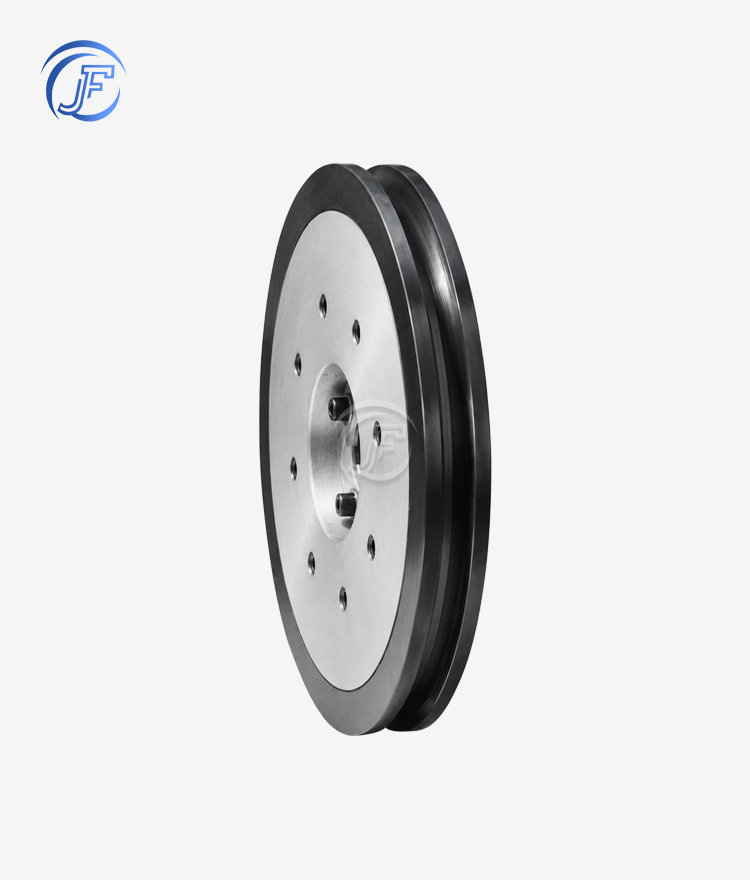
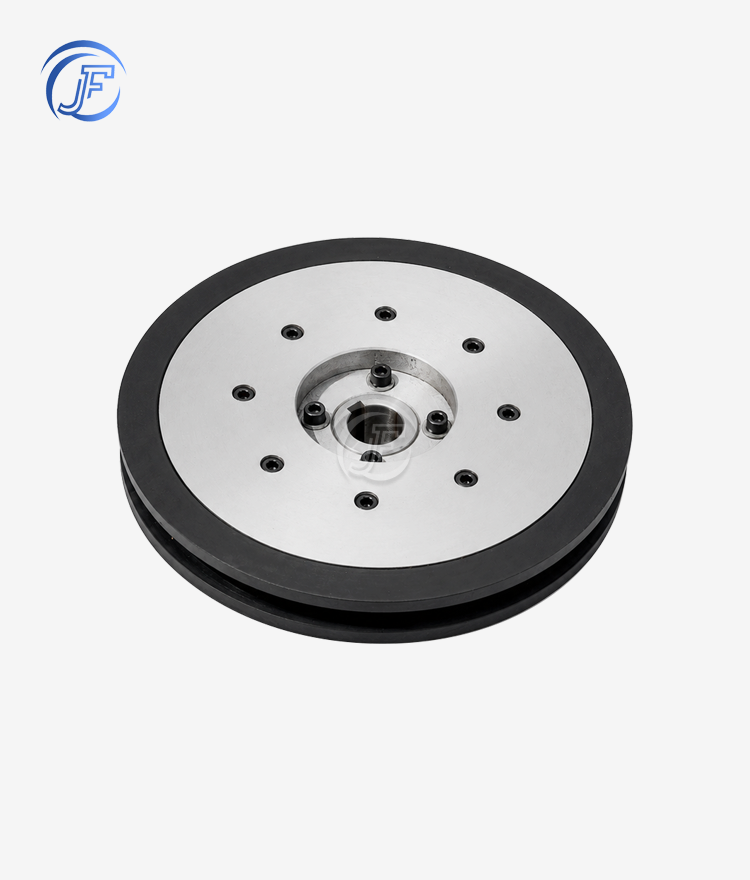
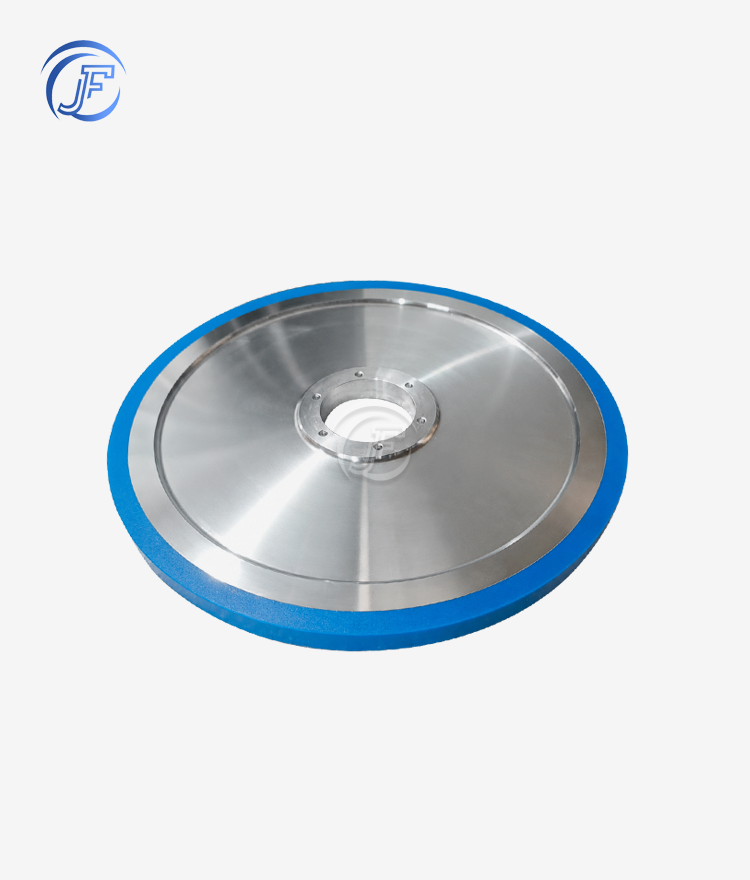
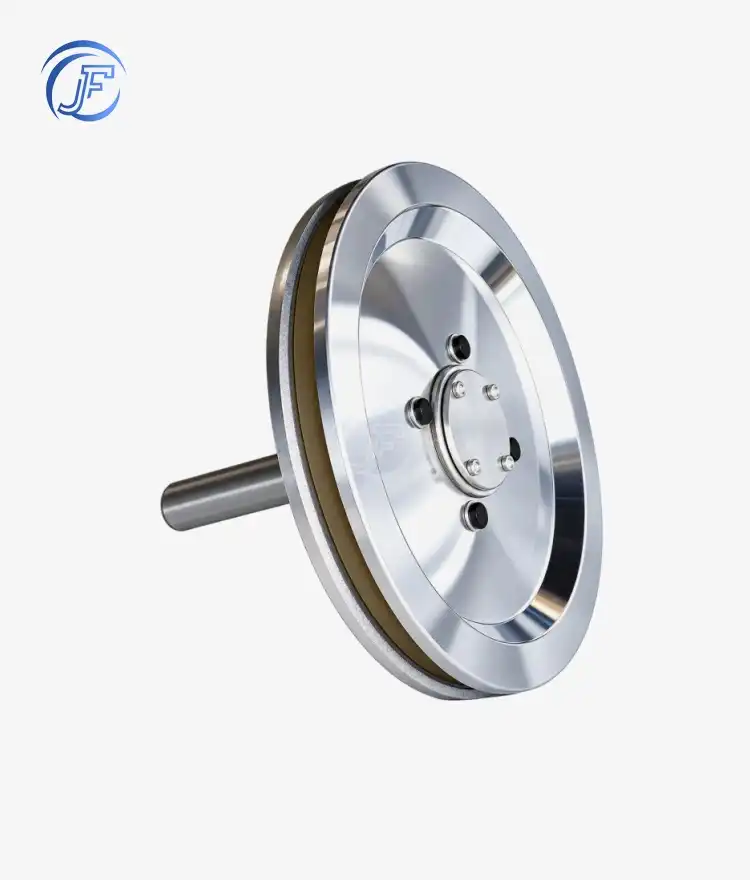
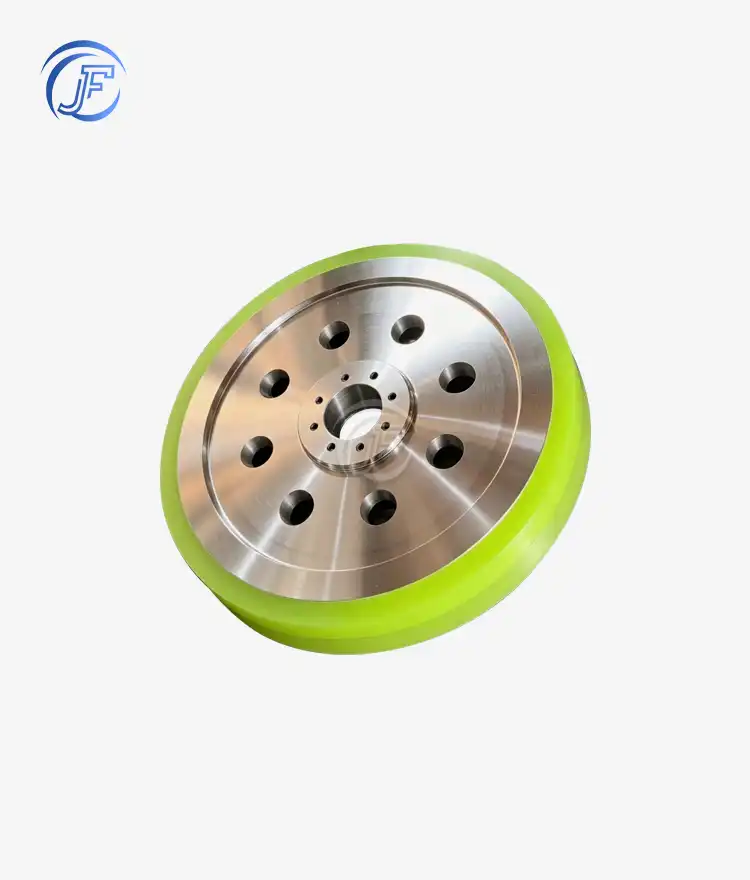
Replacing the polyurethane coating on an aluminum wire saw pulley hub involves removing the worn coating, preparing the aluminum surface through cleaning and abrasion, selecting a compatible polyurethane compound, applying it evenly using bonding agents or heat methods, and allowing proper curing time before reinstalling the pulley. This maintenance task restores grip performance, extends equipment life, and prevents premature diamond wire wear in stone quarrying, concrete cutting, and precision fabrication operations where aluminum wire saw pulleys serve as critical transmission components.

Understanding the Role and Structure of Polyurethane Coating on Wire Saw Pulleys
Precise guidance devices are needed for wire saw systems to keep tension and control during cutting operations. The pulley is where the diamond wire meets the machine's drive unit. The quality of this link directly impacts the accuracy of the cut and the life of the consumables.
Why Polyurethane Coating Matters in Industrial Cutting
Beyond just covering the surface, polyurethane protects in other ways as well. The elastomeric properties of the material soak up the micro-vibrations that are made when high-speed wires move. This lowers the harmonic oscillation that leads to uneven diamond distribution wear. Its friction coefficient gives the wire the grip it needs to stay in place when the load changes, which is common in projects like quarry block removal and concrete demolition. The coating also protects the aluminum base from slurry particles and cooling chemicals that are rough and would normally eat away at it.
Goldfen Machinery's unique PU cold-bonding technology makes sure that the coating and aircraft-grade aluminum hub stick together at the molecular level. This stops the delamination problems that happen with cheaper products. This method of making things makes pulleys that can handle speeds of more than 30 meters per second and stay the same size in temperatures ranging from -20°C to 80°C.
Identifying Signs of Coating Degradation
A visual inspection shows several signs that the item needs to be replaced. Surface crazing looks like small network cracks that are caused by frequent bending and heat stress that makes the material expand and contract. When rough diamond wire gets embedded in polyurethane, it makes channels that make wire tracking less accurate. This is called groove deepening. If the coolant is exposed for a long time and the color changes from what it was to darkened or shiny spots, this means that chemicals are breaking down.
Operational symptoms are just as useful for making a diagnosis. When cutting, a wire that wobbles more often suggests that the covering thickness isn't even, which is causing the spin to be off. Strange squealing sounds mean that the friction coefficient is changing because the polyurethane is getting harder than its intended shore hardness rating. Pulley surfaces that aren't working right can cause diamond wire to wear out faster. This is called localized stress concentration.
Step-by-Step Guide to Replacing the Polyurethane Coating
To get results that meet factory standards, proper paint replacement must be done in a measured way. When you rush through surface preparation or use materials that don't work well together, things break down early and production stops without warning.
Preparation and Safety Protocols
First, turn off all power to the wire saw machine and make sure that the lockout-tagout procedures are followed. To keep the precision-machined aluminum hub from getting damaged, use the right pullers to remove the pulley from its bearing shaft. For correct reassembly, write down how the pulley is positioned and any shims or gaps that are used.
Set up a workspace with good air flow because removing coatings creates dust and chemical vapors. Gloves that can resist chemicals, safety glasses, and respiratory protection rated for organic vapors must all be part of personal protective equipment. Set up scrapers, wire brushes, fluid containers, rough pads, and clean, lint-free cloths so that they are easy to get to.
Removing the Old Coating
When coats are badly damaged, mechanical removal works best. Holding the sharp scraper at a 30-degree angle will help you peel off the extra material as you work your way around the gap. Do not gouge the aluminum substrate because surface irregularities make it harder for the new coating to stick. Wire brushing gets rid of any leftover polyurethane in hub corners and areas with texture.
Chemical stripping is a gentler way to remove coatings that are still partially stuck on. Follow the manufacturer's instructions for applying a polyurethane solvent and give it enough time to soak in. The coating is easy to wipe off because it has become soft. This keeps the aluminum's original surface finish. When cleaning an aluminum wire saw pulley, this method is particularly effective because it preserves the precise surface integrity required for proper wire tracking. Follow local environmental rules when getting rid of contaminated materials.
Surface Preparation and Cleaning
Before they can be coated again, aluminum surfaces need to be cleaned thoroughly. First, use an alkaline cleaner to get rid of the cutting oils. Next, rinse the hub with pure water to get rid of the mineral buildup. Use 120-grit aluminum oxide paper to sand the groove area until it has a uniform matte texture that helps the mechanical bonding. Do not sand too much, as this thins the hub wall and makes the structure less strong.
Isopropyl alcohol solvent wiping gets rid of fine particles and leftover oils on the rough surface. Check for any lingering contamination in bright light, paying special attention to hidden areas where dirt and dust tend to gather. Polyurethane hardening chemistry is affected by wetness, so wait until the coating is completely dry before applying it.
Applying the New Polyurethane Coating
Choose a two-part polyurethane solution that is made for joining metals in moving situations. Using a calibrated scale, mix the resin and hardener in the right proportions. Stir the mixture well to make sure it cures evenly. Goldfen Machinery's new coating kits come with colored substances that show that the mixture is fully mixed.
Use a throwaway brush to apply a thin primer coat to the aluminum surface that has been prepared. Work the material into the surface's roughness. The technical datasheet says to let the primer reach a tack-free state. Build up the final finishing thickness by applying it more than once and letting time pass between each layer. Using depth measures or pattern rings, keep the thickness the same around the whole groove's edge.
Smooth the last layer while it's still workable to get rid of air bubbles and get the profile shape that was asked for. Slowly turn the handle while applying to keep it from falling or spreading out unevenly. Cure the assembly in a controlled setting that stays within the suggested temperature and humidity ranges. It usually takes between 24 and 72 hours for the polymer to fully cure.
Post-Application Quality Verification
Check the hardened coating for flaws like pinholes, thin spots, or uneven edge transitions. Using precise calipers, check the groove measurements to make sure they are within the allowed range. Shore hardness testing makes sure that the polyurethane has reached its desired durometer grade, which makes sure that it has the right rubbing properties.
Do a test fitting on the mounted shaft to see if there are any interference problems that could be caused by too much coating. When pulleys are running faster than 1,500 RPM, dynamic balancing is very important. To find and fix weight distribution problems, you need special tools. Write down the date of repair and the finishing requirements so that you can keep track of them and plan for the future.
Maintenance Tips to Prolong Coating and Pulley Life
Active care strategies greatly increase the time between coating replacements while keeping the cutting performance. Adding these steps to regular maintenance plans for equipment stops expensive fixes and unplanned downtime.
Scheduled Inspection and Cleaning Routines
Visual checks done once a week catch early signs of wear and tear before they become failures. Run your fingers along the groove to find surface flaws that you can't see with the naked eye. As abrasive buildup speeds up coating wear, clean up stone dust and dried coolant residues with soft brushes and approved solvents.
Monthly measurement verification keeps track of how much the layer has thinned over time, which sets up replacement plans based on data. Take pictures of the pulley from the same point each time to record wear patterns and find operating problems that affect certain areas. To figure out how fast things wear out in real-world conditions, compare the measurements to the baseline data that was taken right after the coating was replaced.
Recognizing Early Warning Signs
During cutting rounds, keep an eye out for changes in the working noise signatures. If the sound changes from a smooth humming to screaming sounds, it means that the friction coefficient has changed and needs to be looked into. Check the numbers on the wire tension gauge for changes that you can't explain. These changes are caused by a pulley grip that isn't stable.
Use production records to keep track of how much diamond wire is being used. A sudden rise in the number of wire replacements is often linked to worn-out pulley surfaces that create areas of high stress. To find pulley-related problems, compare present usage to past averages that have been adjusted for material hardness and cutting factors.
Establishing Cost-Effective Replacement Cycles
Environmental factors have a big effect on how long a coating lasts. Quarry companies that use silica-filled slurries on their aluminum wire saw pulleys need to replace them more often than fabrication shops that cut blocks that have already been treated. Extreme temperatures speed up chemical breakdown, especially in outdoor projects that involve tearing down bridges that are affected by seasonal changes.
Total cost of ownership is best achieved by balancing when to replace things. Replacing coatings too soon loses their remaining life and raises the cost of consumables. You could lose more money on production quality problems and wire damage if you wait too long to replace them. Goldfen Machinery suggests setting baseline intervals of 2,000 working hours for normal conditions and adjusting these based on test results and wear rates that are specific to the application.
Procurement Insights for Pulley Selection and Coating Services
Knowing the technical and financial trade-offs of various purchasing methods helps purchasing agents and maintenance managers make smart choices that meet operational needs and stay within budget.
Comparing Material and Coating Options
When used with a wire saw, aluminum wire saw pulleys are clearly better than standard steel ones. Because aluminum is less dense, it has less rotational inertia. This lets machines respond more quickly when cutting parameters are changed. Better thermal conductivity gets rid of frictional heat more quickly, which keeps bearings from getting too hot and extends the time between lubrications. In high-humidity quarry settings, where steel parts break down more quickly, corrosion protection is useful.
The choice of coating affects both how well it works at first and how much care it needs. Standard forms of polyurethane work well in controlled manufacturing environments. In rough mining conditions, premium materials with wear-resistant additives last longer. Goldfen's high-precision CNC machining makes sure that the slot shape stays the same no matter what kind of coating is used. This keeps the accuracy of wire tracking throughout the pulley's lifetime.
Factory-Coated Versus Field Replacement
Buying aluminum wire saw pulleys that have already been coated makes managing inventory easier and makes sure that the standard of specialized manufacturing methods stays the same. When applied in a factory, the environment is controlled, mixing equipment is precise, and quality control tests are available that aren't available in the field. Quick-disassembly designs cut down on machine downtime during repair, and the whole process takes less than 30 minutes.
When companies keep a lot of pulleys on hand, replacing the coatings in-house lowers the cost per unit. This method needs money to be spent on training, materials, and infrastructure for environmental compliance. Finding the right balance between these factors relies on how often parts need to be replaced, how much labor is available, and how long the machine will be down for while it is being fixed off-site.
Supplier Evaluation Criteria
The choice of partner has a big effect on the long-term dependability of operations and the quality of help. Product consistency and customization options depend on how well a product can be made. Goldfen Machinery's production processes are ISO 9001 certified, which means that the sizes are correct and the materials meet international standards. Sizes from 125 mm to 600 mm in diameter are available to fit a wide range of machine setups used in the stone processing and concrete cutting industries.
The level of technical help is what sets real partners apart from commodity sellers. Having access to technical knowledge can help you figure out why certain wear patterns are happening and choose the best finish for the job. Detailed documentation, such as installation guides and maintenance procedures, makes it faster to set up new equipment. Having reliable access to spare parts keeps production from stopping, and strategically placing inventory allows for fast delivery to markets around the world.
Case Study: Coating Replacement in High-Volume Stone Processing
A granite production shop with multiple wire saw lines noticed that the finish on the aluminum wire saw pulleys wore out faster than expected, after only 800 hours of use instead of the expected 2,000 hours. The cost of using wire was going up, and the quality of the cuts was getting worse, which affected the specs for the final slab.
Identifying Root Causes and Implementing Solutions
The investigation showed that the coolant's pH levels were not within the recommended ranges. This meant that chemicals were attacking the polyurethane coating. Because the abrasive particle filter wasn't working right, contaminants got stuck between the wire and pulley surfaces of the slurry that was being pumped around again. During times of high output, operational speeds were higher than the pulleys' design specs, which caused too much frictional heat.
Corrective actions took a systematic look at each factor that led to the problem. Monitoring the chemistry of the coolant as part of daily tasks kept the pH within the manufacturer's recommendations. Better filter systems brought the amount of dissolved solids down to a safe level. During training, operators were told to stick to the recommended cutting parameters, and the machine controls were changed to keep the speed from going too high.
Measured Outcomes and Operational Improvements
After the fixes were made, the coating lasted an extra 2,400 hours, which was longer than the original goals. Diamond wire use went down by 18% because the pulley grip became more consistent and there was less vibration. Production quality measures showed that fewer slabs were rejected because of differences in size caused by problems with wire tracking.
Goldfen Machinery aluminum wire saw pulleys with their own PU cold-bonding technology and aircraft-grade aluminum structure were used by the plant. The service life of the diamond wire was extended because the coating's friction properties were improved, which reduced stress buildup in specific areas. The cost of cutting each unit went down by 23% when better tools and good work habits were used together.
Future Trends in Pulley Technology and Materials
Nano-scale chemicals are being used in new coatings to make them more resistant to wear while keeping their elastomeric qualities. Graphene-reinforced polyurethanes could be useful for heavy-duty jobs in the demolition and quarrying industries. Bio-based polyurethane systems are being made because they are better for the environment and use less oil without sacrificing effectiveness.
Smart pulley ideas that use wear sensors and RFID tracking make it possible to plan maintenance based on how things are actually doing instead of set times. These technologies talk to machine control systems to let operators know when the coating thickness gets close to the point where it needs to be replaced. This keeps production runs from failing without warning.
Conclusion
Maintenance of polyurethane coatings on aluminum wire saw pulleys has a direct effect on how well they work, how accurately they cut, and how much they cost in supplies in the stone preparation and concrete cutting businesses. Knowing how the coating protects, spotting signs of wear, and following the right replacement steps give maintenance teams the power to make equipment more reliable. This step-by-step process, from preparing the surface to checking that it has hardened, makes sure that the results are exactly what the maker ordered. To make good purchasing choices that balance factory-coated ease against in-house replacement economics, you need to carefully look at how often you need to replace things, how much work you can do, and how much downtime will affect your business. With its carefully designed aluminum hubs, cutting-edge finishing technology, and full expert support, Goldfen Machinery offers dependable options for tough industrial cutting tasks.
FAQ
1. How Often Should Polyurethane Coatings Be Replaced?
Replacement times depend a lot on how hard the application is and how the system is being used. Usually, indoor stone fabrication needs new stones every 1,800 to 2,500 hours of use. This time is cut down to 800 to 1,200 hours in quarry settings where abrasive slurry is present. Depending on the cutting factors and the amount of the rebar, concrete cutting falls in this range. Setting standard intervals through initial tracking and then making changes based on inspection results makes the best schedules that balance the risk of failure with the life of the coating.
2. Can Damaged Coatings Be Repaired Rather Than Fully Replaced?
Small scratches and scuffs on the surface can be fixed locally with polyurethane compounds that are compatible. Thoroughly clean the damaged area, sand down the coating around it to make a smooth transition, and then apply the repair material in thin layers. This method works when the damage is limited to less than 15% of the groove's diameter and doesn't go all the way through to the aluminum base. If there are deep grooves, delaminated areas, or chemical breakdown that affects the structure of the coating, it needs to be completely removed and replaced in order to work properly again.
3. What Cost Differences Exist Between Recoating and Buying New Pulleys?
The prices of materials for good polyurethane systems and surface preparation tools are usually between 25 and 35 percent of the prices of brand-new aluminum wire saw pulleys from reputable manufacturers. Labor costs add a lot to the total cost of covering, especially when you consider the time it takes to remove the pulleys, prepare them, let them cure, and then put them back in place. When it comes to economics, volume matters. For example, facilities that replace a lot of pulleys every year may be better off making their own, but operations with few needs will often find it cheaper to buy pre-coated units, even when they take into account the extra work and lost opportunities that come with longer downtime.
Partner with Goldfen Machinery for Superior Pulley Solutions
Goldfen Machinery makes precision-engineered wire saw parts and has been making them for 20 years, helping people around the world work with stone, quarries, and concrete. Our aluminum wire saw pulleys are made from aircraft-grade aluminum and our own PU cold-bonding technology. This gives them better resistance to wear and a longer useful life than other designs. Our pulleys work with all major brands of wire saw machines and come in diameters ranging from 125 mm to 600 mm. They are easy to maintain because they can be taken apart quickly.
In addition to selling high-quality goods, we also offer full expert support to help you choose the right coating, follow upkeep steps, and fix problems so that your cutting machine works at its best. Strategic inventory positioning guarantees quick delivery that supports your production schedules, and OEM customization options meet the specific needs of each application. Our manufacturing processes are ISO 9001 certified, which means they always meet international safety and reliability standards.
Email our expert team at sales@goldfenwiresaw.com to talk about your unique aluminum wire saw pulley needs, get product samples, or look into ways to buy in bulk. We'll give you full specs, advice on how to use them, and competitive quotes that will help your business be more efficient and have a lower total cost of ownership.
References
1. Smith, J. & Anderson, R. (2021). Industrial Wire Saw Systems: Maintenance and Optimization Strategies. Technical Publishing International.
2. Chen, L. (2020). "Polyurethane Coating Performance in Abrasive Industrial Applications," Journal of Materials Engineering and Performance, Vol. 29, Issue 8, pp. 5234-5247.
3. Roberts, M. (2022). Stone Processing Equipment: Selection, Operation, and Maintenance. Quarry Management Press.
4. International Wire Saw Association (2023). Best Practices Guide for Wire Saw Component Maintenance. IWSA Technical Standards Committee.
5. Thompson, K. & Wu, H. (2021). "Aluminum Alloy Pulleys in High-Speed Cutting Applications: Performance Analysis," International Journal of Advanced Manufacturing Technology, Vol. 114, pp. 2891-2905.
6. Davis, P. (2022). Concrete Cutting Technologies: Equipment, Techniques, and Safety Protocols. Construction Technology Institute.
Online Message
YOU MAY LIKE
These recommended wire saw machines and accessories for your cutting projects.