Jul 16, 2026
How does diamond wire work in stone quarrying?
Diamond wire for quarry cutting is a big step forward in the technology used to get stones out of the ground. A high-tensile steel wire is filled with industrial diamond beads that cut through granite, marble, and other natural stones with great accuracy in this advanced way of cutting. The wire moves through a continuous loop device that is driven by hydraulic or electric wire saws and spins at speeds of 22 to 40 meters per second. Diamond-filled beads in the wire chip away at the stone, and a steady flow of water cools the cutting area and clears away any debris. Quarry owners can now get valuable stone from mountain walls and deep pits in a whole new way with this method, which makes clean, controlled cuts that maximize block output and minimize waste.
Understanding Diamond Wire Cutting in Quarrying
The Core Components of Diamond Wire Technology
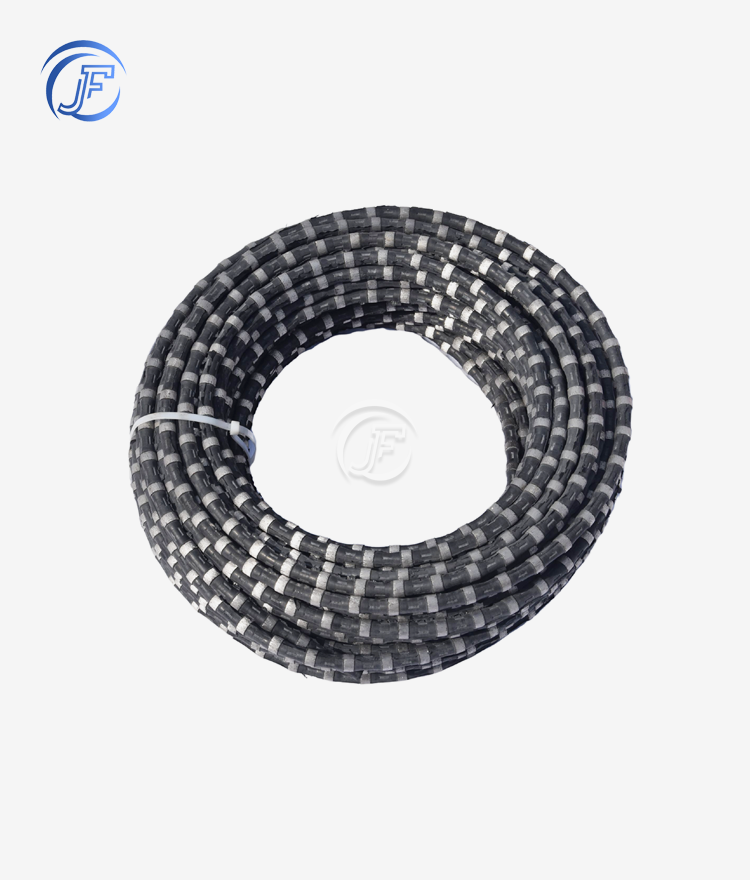
Many sections operate together in modern diamond wire for quarry-cutting systems. Base construction is a multi-strand steel cable with over 2,500 kg of breaking strength. Safety is ensured during high-tension procedures. There are 28–40 diamond beads per meter on this wire. Both 10.5 and 12 mm beads are used. These beads include synthetic diamonds in cobalt or nickel. They effortlessly cut hard materials. Vulcanized rubber holds granite beads. Reduces interior corrosion and improves adhesion. Using plastic or spring-reinforced designs with softer stones like marble makes moving across fractured rock formations easier without becoming caught.
The foreign steel wire in Goldfen Machinery's 8.8mm standard diamond wire makes it more sturdy and less likely to break. Powdered beads are sharp, particularly for cutting hard stone materials that cheaper choices would not cut.
How the Cutting Process Works
Drilling key boreholes into the stone bulk begins the procedure. At right angles to the stone bulk, these perforations provide wire threading channels. Operators feed diamond wire via these channels and attach it to the wire saw's motor wheel and tensioning circuit. Guide wheels and tension wheels straighten and pressure the blades during cutting. The machine turns and pumps cooling water at high pressures to remove cutting waste and cool wire and stone.
Grinding and abrasion are used to cut. In time, diamond beads break into small fragments on stone, deepening the kerf. Depending on stone hardness, wire quality, and machine power, lines may be cut at 1 to 15 square meters per hour. The average wire lasts 20–60 square meters per meter, depending on its use and maintenance.
Stone-Specific Wire Selection
Wire needs vary per mining stone. Rubberized diamond wire can endure large amounts of friction when cutting granite vertically and horizontally on a bench. Keep granite cold to avoid losing beads since its massive crystalline structure generates a lot of heat. Softer marble is harder to mine since it breaks easily. Constant tension lines are essential to prevent items from adhering together and provide smooth surfaces that need less labor.
Better wires for limestone and sandstone have altered bead spacing and diamond content. Sedimentary stones cut faster; however, they may prematurely glaze bead edges, making diamonds flat and ceasing cutting. Quarries must match wire characteristics to rock conditions, taking into consideration mineral hardness, stone density, and abrasive impurities that accelerate wear.
Advantages of Diamond Wire over Traditional Quarry Cutting Methods
Efficiency Gains and Production Benefits
Mines employed blasting, flame cutting, and chain saws, but they had several issues. An explosion breaks rocks unexpectedly, and massive slabs of stone are generally worthless due to fissures and other structural damage. Wasted material reduces the quantity of high-quality blocks rebuilt. Flame cutting is simpler to manage than explosives, but it creates rough surfaces that need a lot of refinement and restricts cutting angles, making it less adaptable.
Diamond wire used for quarry cutting has eliminated these wastes. We found that diamond wire systems increase block production by 20–30% over blasting. Because of wire cutting's precision, bigger, regular-shaped blocks might sell for more in fabrication. The cutting speed gains are astounding. Well-maintained diamond wire can cut in two to three times the time of a chainsaw. Faster project completion and higher daily output quantities are associated.
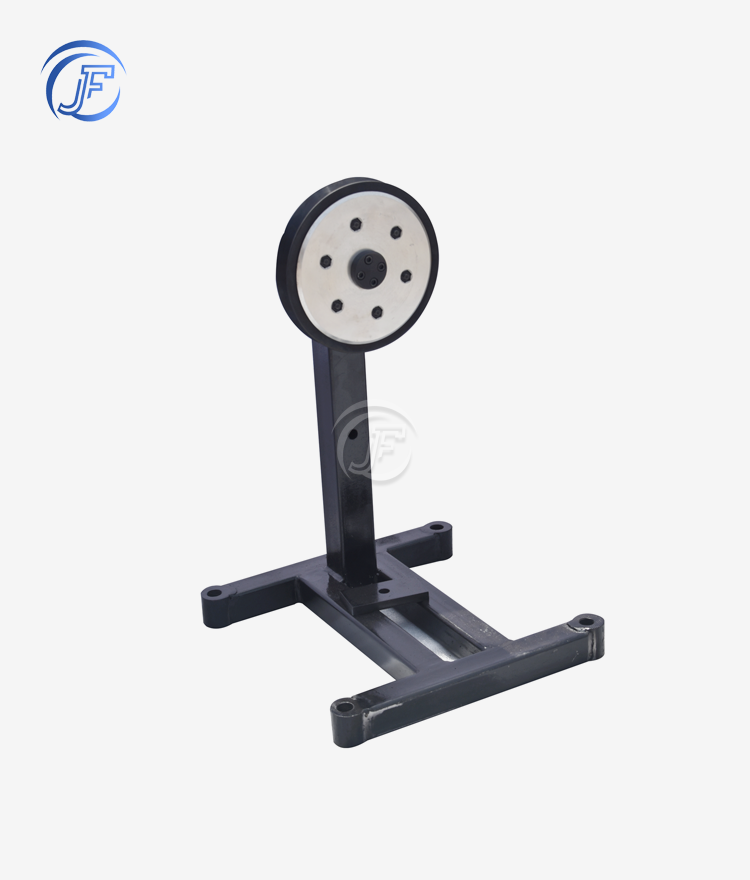
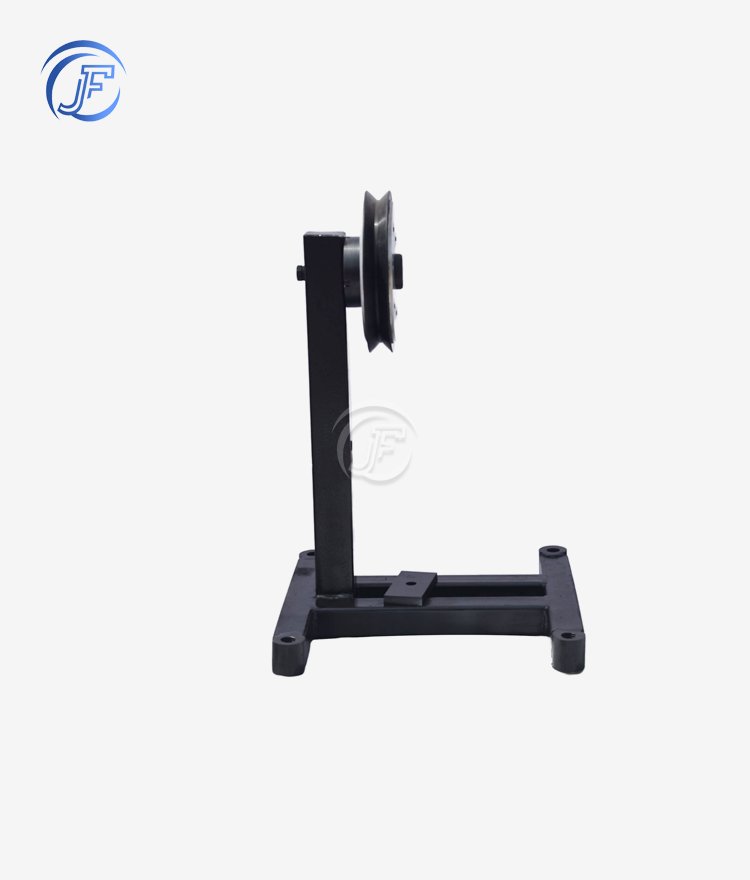
Goldfen Machinery's diamond wire saws and pulleys cut 15% better than competitors. Our consumable wear reduction reduces our clients' total cost of ownership over time by a lot. Downtime and maintenance breaks have decreased, enabling the quarry to continue operating during peak production.
Environmental and Safety Improvements
Environmental impact from conventional quarrying is severe. Bombing causes seismic waves that might destroy neighboring structures. Many areas prohibit explosives and chain saws due to noise pollution, limiting operating hours and causing neighbor objections. Due to dust, these approaches harm workers' lungs and adjacent ecosystems.
The diamond wire cutting solves all these problems. Air quality is maintained during intense extraction activity because water-cooled cutting prevents dust. Major noise reduction occurs. Wire saw systems operate at very low decibels compared to industrial machines. Since it doesn't vibrate when not blasted, diamond wire may be utilized in mines near people or sensitive buildings.
Improvements in safety safeguard workers. Operators stay away from busy cutting areas using wire saws to avoid falling items and equipment risks. Management of diamond wire cutting prevents random stone fractures from endangering humans. In wire manufacturing, ISO 9001 quality management systems ensure that equipment performs in the same manner, reducing machine-related accidents.
Cost Efficiency and Material Optimization
Making better use of resources and minimizing operational costs are the two main arguments in favor of employing diamond wire. High block yield rates indicate more product per quarry face, which boosts extraction cycle profits. Due to accurate cutting, slabs have minimal surface imperfections, requiring less cleaning and finishing before sale. The quality of this material fetches greater pricing in high-end architectural and design sectors.
Labor costs drop significantly with diamond wire techniques. Traditional techniques need larger personnel for drilling, blasting, and debris screening. Wire saw enterprises require fewer personnel and greater expertise for equipment maintenance and operation, not physical labor. One cubic meter of stone removed uses less energy. More mechanically efficient diamond wire cutting requires less electricity than gas chain saws or earlier system fans.
Common Problems and Maintenance Tips for Diamond Wire Cutting
Identifying and Preventing Wire Breakage
The most disruptive sort of failure in quarry-cutting operations is diamond-wire for quarry-cutting cables breaking. Multiple factors might cause cables to break early. More strain than the wire can handle causes strand fatigue. This occurs often when operators overtighten tensioning systems to expedite cutting. Too little cooling water causes thermal stress. At low water flow, friction heat at the cutting contact weakens the steel core and breaks down rubber or plastic beads.
Incorrect wires break quicker. With granite-rated wire on rugged quartzite formations, diamond concentration and bead bonding are overwhelmed, producing fast bead loss and direct stone contact. Dirty storage or handling causes cable kinks, corrosion, or strand separation, which spread when stressed.
Preventative methods include systematic inspection and stringent operational regulations. Seek visible wire damage before each cutting cycle. Make sure the beads and cable are secure. Maintain pump pressure and filter particulates that accelerate wear in cooling water systems. Our Goldfen Machinery systems monitor tension and alert operators when safe limits are breached. When joining wire loops, twist 1.5 to 2 turns each meter to ensure beads wear uniformly around the cable.
Addressing Bead Glazing and Cutting Speed Degradation
Bead glazing occurs when diamond particles wear flat instead of breaking off to expose new cutting edges. Some symptoms include reduced cutting speed despite the same power usage and higher cutting interface heat. This commonly occurs with wires used on lighter, less abrasive stones. Diamonds polish smooth instead of shattering to reveal fresh cutting surfaces of insufficient mechanical impact.
The explanation is purposeful "sharpening" that cuts through tough materials. Quarries keep firebricks or soft sandstone blocks for this purpose. Re-fracturing diamond surfaces with the coated wire for a few meters improves cutting. Monitor cutting speed to spot issues early; a 30% decline indicates glass requires repair.
Bead pull-out testing preserves retention during maintenance. The force required to move a bead along the wire is measured here. Vulcanization or plastic injection strengthens connections. Concentric checks keep beads in the cable center. Uneven wear patterns from uncentered beads reduce diamond contact and wire life.
Lubrication, Cleaning, and Storage Protocols
Wires live longer with good care. After each cut, flush the wire with clean water to remove stone slurry and mineral deposits that rust it. Look for guide, flywheel, and tension wheel wear. Worn pulleys stress wires. Replacing broken wire pieces quickly helps distribute load evenly.
Proper storage is crucial. Avoid tight bends that stress steel strands by coiling wire softly. Avoid direct sunlight and rubber and plastic retention material-degrading toxins. Before usage, keep new wire in its package. Thus, it will avoid damage and wetness.
Operator training emphasizes safety and preventive maintenance. Start with installation guidelines and maintenance instructions with specific procedures for checking and correcting issues from our Goldfen Machinery experts. Skilled workers can spot the early signs that their equipment is breaking down and fix problems before they become major problems that cost a lot to fix. Preventative measures reduce downtime and increase wire performance.
Choosing and Procuring the Right Diamond Wire for Your Quarry
Evaluating Wire Specifications for Your Stone Type
Buying starts with a good geological evaluation. Lab tests determine stone hardness, abrasiveness, and fracture. This data determines wire selection. Granite work normally requires 32–40 beads per meter and 11–12 mm beads. Diamonds must concentrate to cleave massive crystalline formations. For cutting speed and cost-effectiveness, most marble and limestone quarries use 28 to 32 beads per meter.
Bead diamond quality considerably affects performance. High-quality imitation diamonds with regulated grain size dispersion last longer. The bond matrix holding diamonds must match their characteristics. Harder bonds keep diamonds longer but cut slower, whereas weaker bonds use diamonds rapidly but temporarily. To maximize cutting speed and wire life, adapt these parameters to your stone.
GOLDFEN Machinery provides quarrying solutions for many circumstances. We guarantee the quality of our stone-cutting CNC rope saws and need just one piece to order. Before placing bulk purchases, sites may test alternative specifications. This collaborative strategy ensures buying meets corporate requirements rather than standardizing commodities.
Cost Analysis and Long-Term Value Assessment
You must consider entire expenditures while purchasing diamond wire for quarry cutting. Discount wires employ recycled steel lines, low-quality diamonds, or poor retention mechanisms, which break too fast in severe quarry conditions. Operating expenses include downtime, replacements, and reduced cutting rates that eliminate initial savings.
Determine the cost per square meter cut as the primary reference. Even if the budget wire costs half as much, a premium wire that costs more up front but offers you 50 square meters of wire typically performs better. In purchase considerations, consider how much it costs to replace wires, how much productivity is lost while equipment is down, and how important block quality is.
Supplier image and assistance infrastructure should be on par. ISO 9001 companies have quality management systems that ensure batch uniformity. Tech support, bespoke cutting project designs, and full operating cost projections provide value to the offering. Over 20 years, Goldfen Machinery has researched and developed diamond wire saws, and its core technical team has solved real-world mining challenges.
Sourcing Strategies and Supplier Partnerships
Buyers may choose from spot market agreements to long-term partnerships. Companies have greater choice with spot purchasing, but they risk supply chain issues and wire quality discrepancies. Stable pricing and priority access to scarce commodities are achieved by building reliable supplier relationships. Guaranteeing volume usually earns you better terms without sacrificing independence. Goldfen Machinery's fast-track priority scheduling system ensures on-time delivery for urgent assignments.
Carefully examine supplier spare parts stocks. Replace guide wheels, tension wheels, and flywheels regularly in wire saws. As long as suppliers have enough consumables, manufacturing continues when parts wear out. For immediate order fulfillment, Goldfen Machinery stocks standard models. Customized solutions take 30–45 days, whereas conventional equipment takes 15–25 days.
Operations are important in global purchasing. Top international freight forwarders manage export customs for reliable vendors. Shipping via water, land, and train reduces prices and travel times. Armored, corrosion-resistant industrial export packaging can withstand long-haul ocean transportation. Ordering Certificates of Origin and specialized inspections eliminates trade barriers and administrative expenditures.
Future Trends and Innovations in Diamond Wire Quarry Cutting
Advanced Materials and Bead Design
Research on diamond synthesis creates tougher, stronger stones. Manufacturing companies are testing diamond coatings and surface treatments to keep instruments sharper under severe cutting situations. In new bond matrix designs, nanoparticles help diamonds remain in place and fade off slowly. Improvements in material science might make lines cut quicker and survive longer, lowering replacement costs and increasing quarry production.
Other shapes beyond cylinders are studied in bead geometry. Conical or textured beads control debris movement near the cutting zone. Increasing cooling efficiency and preventing clogging in thick stone formations. When wire bead distance may be varied, cutting performance is optimal in locations with variable stone hardness within the same extraction site. Computing and testing in a mine enhance design, turning engineering theory into real-world performance increases.
Automation and Smart Systems for quarries
Wire saw chores become automated using sensors and control systems. Due to cutting load fluctuations, tension monitoring systems adjust wire tightness. Slack-induced vibration and overtension failures end. The water flow varies automatically if temperature sensors detect insufficient cooling before heat damage. Feedback loops modify cutting settings in real time for optimal outcomes and equipment safety.
Quarry managers may remotely monitor several wire saw systems from a control room. Data analytics monitor cutting speed, wire wear, and full-operation repair plans. It anticipates part failure before production stops and helps improve things. Due to minimal downtime between cuts, automatic wire replacement systems allow extraction during extended production runs. As these technologies improve, more individuals will be able to operate their firms as effectively as specialists, allowing smaller enterprises to compete with larger ones.
Sustainability and Environmental Compliance
Environmental rules are affecting mining equipment more. Diamond wire for quarry cutting systems is sustainable since it's quiet, dust-free, and doesn't contaminate. Wires will be simpler to disassemble, allowing steel cable and diamond beads to be recycled. By collecting and filtering cutting fluid, closed-loop water systems reduce freshwater use and prevent contaminated watersheds.
Stone materials from sustainable sources are in demand. Their environmental concerns allow them to enter top markets and charge more. Innovative technology helps operators satisfy green building certification and environmental architecture criteria. Operational efficiency and environmental responsibility help businesses beyond cost reductions.
Conclusion
Diamond wire for quarry cutting changes the way stone is quarried by making it more accurate, efficient, and environmentally friendly. Knowing how these systems work, from the make-up of the beads to the proper way to maintain them, helps quarry managers make smart decisions about what to buy and how to run the business. There are clear benefits over traditional methods, such as higher block output, faster cutting speeds, less damage to the environment, and safer working conditions. Choosing the right wires for the right types of stone improves performance, and preventative maintenance keeps equipment running longer and cuts down on costly downtime. Strategic partnerships with experienced suppliers make sure that you can always get the consumables and technical support you need. As materials science and automation keep getting better, diamond wire systems will get even better. This will give quarry owners ways to be more productive and follow environmental rules in global markets that are getting more competitive.
FAQ
1. How long does diamond wire typically last in quarry operations?
How long a diamond wire for quarry cutting lasts depends on how hard the stone is, how it is cut, and how well it is maintained. You can expect to cut 20 to 40 square meters of rock for every meter of wire used. Marble operations usually get 40 to 60 square meters per meter because the stone is so soft. These ranges can be greatly increased with proper cooling, tension control, and regular checking.
2. Can the same diamond wire cut different types of stone?
If you can, using wires made for stones will give you the best performance and longest life. When used on soft marble, granite-rated wire with hard bond matrices and higher bead ratios doesn't work well; it cuts slowly and wears widely. However, marble wire breaks too soon when it comes in contact with rough granite. It is more cost-effective to keep separate wire supplies for different types of stone.
3. What safety protocols are essential for diamond wire saw operation?
Operators need to make sure they have the right safety gear on and stay away from busy cutting zones. Before you start, make sure that all of the guards and safety interlocks work properly. Before each use, make sure there is enough cold water and check the state of the wires. The emergency stop buttons should be easy to get to and should be checked often. Safety when using a wire saw starts with giving the operator thorough training that covers how to use the equipment correctly and how to spot potential dangers.
Partner with Goldfen Machinery for Premium Diamond Wire Solutions
Quarry owners looking for trusted suppliers of diamond wire for quarry cutting will find that Goldfen Machinery offers the best value thanks to its 20 years of experience making machines and its excellent customer service. Our production is ISO 9001-certified, which means that every wire meets strict international quality standards. This gives quarry operations the stable performance and low failure rates they need to keep going. We use imported materials that work well in harsh extraction environments to make complete wire saw systems and precision parts.
Buying directly from the factory cuts out the middleman's markups, giving you a competitive edge that helps your bottom line. We encourage on-site inspections and live demonstrations of our machines so that you can fully understand our output skills and how well our machines work. From initial setup to advanced debugging, our technical support environment is available 24 hours a day, seven days a week. This keeps operations running smoothly and minimizes downtime. A strategic collection of spare parts makes sure that they are available for both regular upkeep and replacements that need to be made right away.
Get in touch with us at sales@goldfenwiresaw.com to talk about your unique mining needs. We offer free technical advice, custom designs for cutting projects, and thorough ROI analyses that help you get the most out of your money. Our flexible minimum order quantities and fast delivery systems can work with your schedule, whether you need a single unit for testing or a lot of them for multiple sites. Find out how Goldfen Machinery's track record around the world helps stone mines and processing plants all over the world work together in a professional way.
References
1. Ersoy, A., & Atici, U. (2004). "Performance Characteristics of Circular Diamond Saws in Cutting Different Types of Rocks." Journal of Materials Processing Technology, examining cutting efficiency variables across stone types.
2. Turchetta, S. (2017). "Cutting Force and Diamond Tool Wear in Stone Machining." International Journal of Advanced Manufacturing Technology, analyzing wear patterns in diamond cutting systems.
3. Özgürlük, Y. (2016). "Investigation of Diamond Wire Saw Cutting Performance in Quarrying Operations." Mining Science and Technology Journal, documenting field performance in operational quarries.
4. Konstanty, J. (2005). Powder Metallurgy Diamond Tools, Elsevier Science, a comprehensive technical reference on diamond tool manufacturing and specifications.
5. Huang, H., & Xu, X. (2013). "Wire Sawing Technology: A State-of-the-Art Review." International Journal of Machine Tools and Manufacture, reviewing technological developments and applications.
6. Büyüksağiş, I. S., & Göktan, R. M. (2006). "Investigation of Cutting Performance of Diamond Segmented Frame Saw in Marble Cutting." Rock Mechanics and Rock Engineering studies precision cutting characteristics in natural stone.
Online Message
YOU MAY LIKE
These recommended wire saw machines and accessories for your cutting projects.