Jul 16, 2026
How to Choose a Diamond Wire Saw for Stone Cutting?
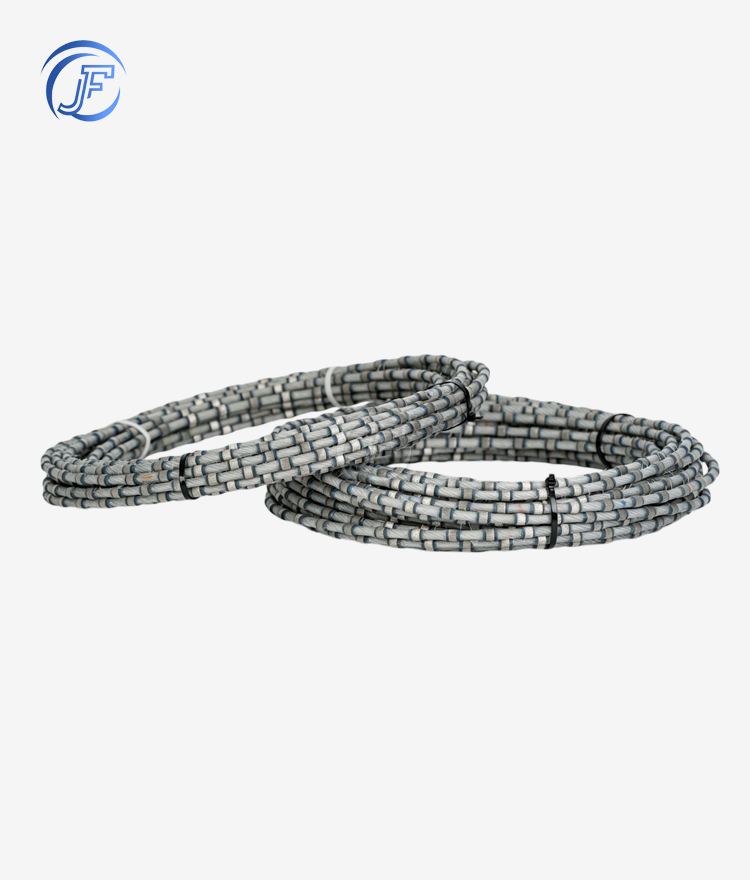
For cutting stone, picking the right diamond wire saw means knowing what you need it for and making sure it fits those needs with the wire's technical specs. When working with complicated granite forms and precise profiling, a granite profiling diamond wire with an endless design that doesn't have any joints is the most stable option for small-radius turns and complicated CNC-controlled paths. The best wire has high-tensile steel cores, the right amount of diamond beads, and a strong protective coating. This way, the wire won't vibrate much and will last longer, even in tough production conditions.
Understanding Diamond Wire Saws in Stone Cutting
What Makes Diamond Wire Saws Different?
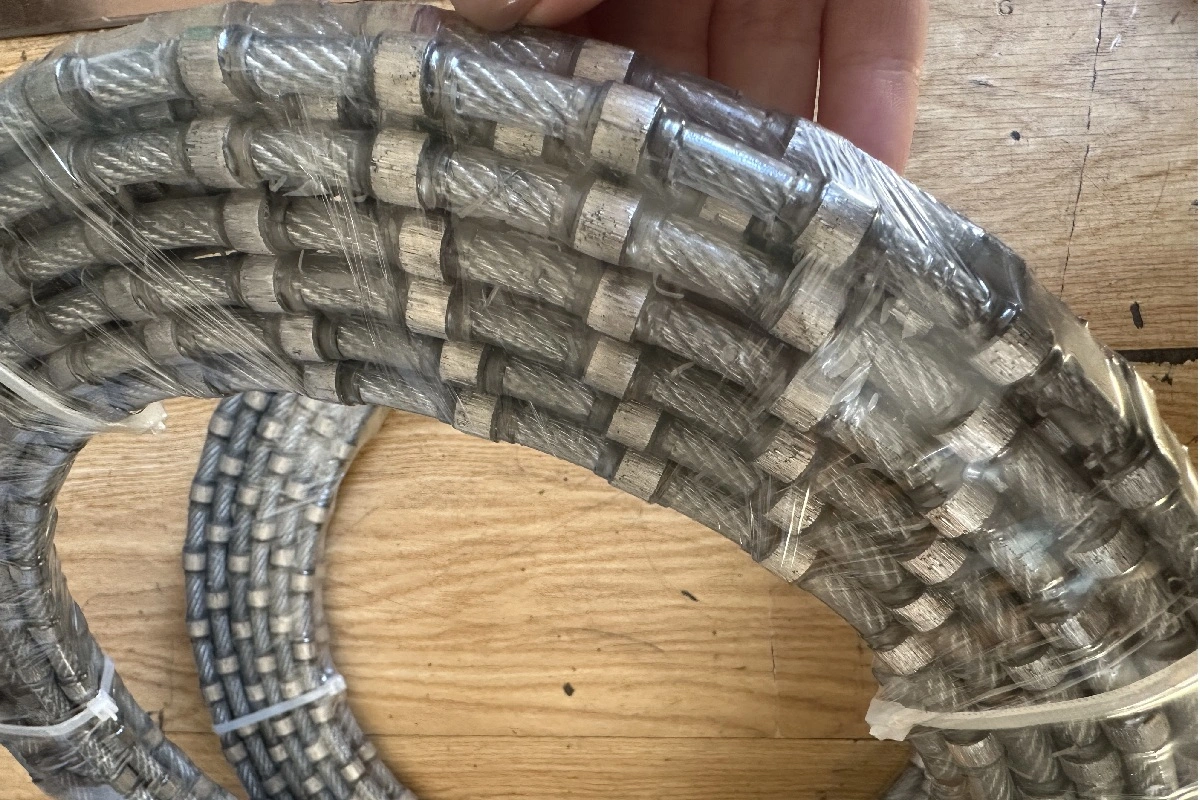
Diamond wire saws change the way stone is cut by putting industrial-grade diamond beads on bendable steel cords. This makes a constant abrasive surface that can cut through the hardest materials. Unlike traditional methods that use blades, this technology spreads the cutting pressure evenly along the length of the wire. This makes much less waste and better edge quality. Either the diamond beads are electroplated or sintered onto the wire core. Depending on the type of stone and the cutting environment, each method has its own benefits.
How Granite Profiling Wires Specialize in Complex Cutting
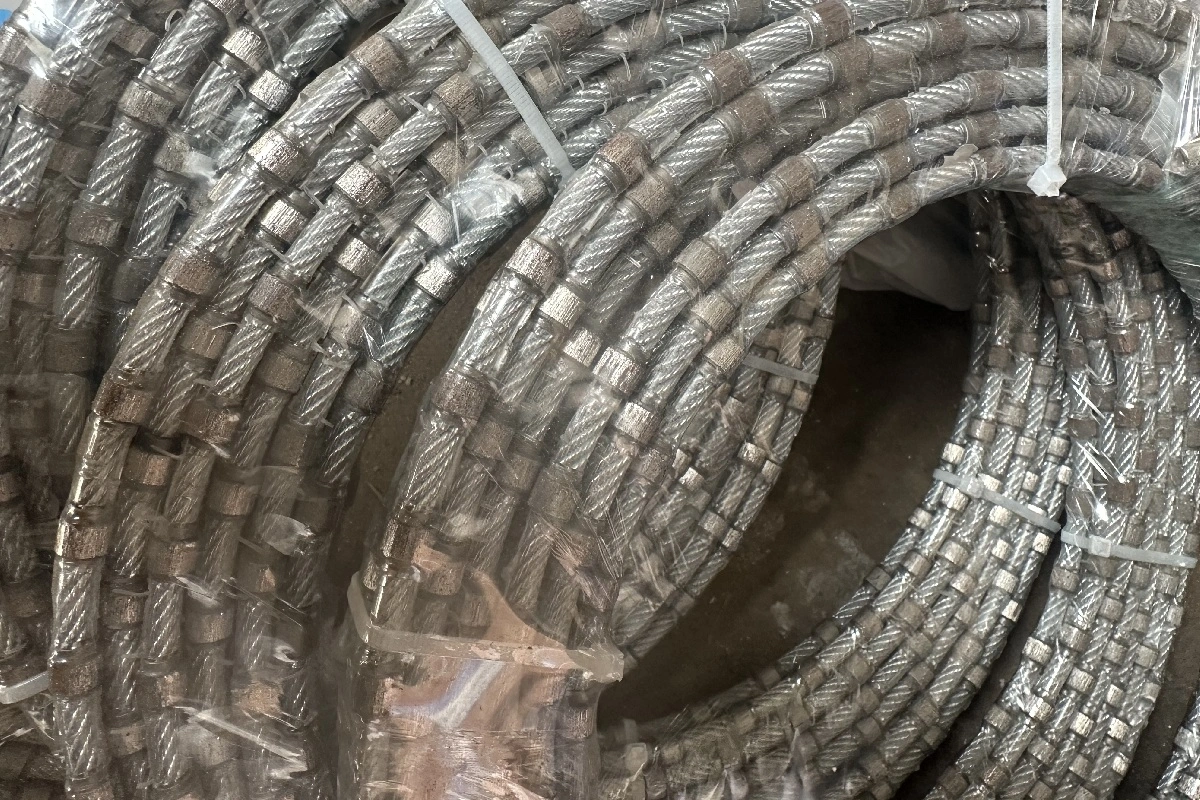
For granite profiling, you need a granite profiling diamond wire that was made to work with multi-axis CNC machines capable of producing complex 2D and 3D shapes. The beads on this special wire are usually between 7.2 mm and 8.8 mm across, and there are 37 to 40 beads per meter. This setup lets it work smoothly at speeds ranging from 22 to 30 m/s, and the cutting path stays vertical even at the deepest depths. The joint-less endless construction stops connection-point vibration, which is very important when making architectural columns, monument designs, or custom countertop shapes where the dimensions have to be accurate to within 0.5 mm.
Core Advantages Driving Industry Adoption
Today's diamond wire technology solves a number of long-standing production problems. The narrow kerf width keeps more useful stone, so 30–40% less material is wasted than with a circle saw. Continuous electroplating processes can support speeds of up to 60 m/s for materials like marble and jade while giving mirror-like finishes that cut down on the time needed for cleaning later. Because wire saws are flexible, they can cut at angles that fixed blades can't, which opens up new ways to work with stone in art and architecture. When you add up all of these benefits, you get more material, finish projects faster, and make stone-handling businesses more competitive.
Key Criteria to Consider When Choosing a Diamond Wire Saw
Evaluating Cutting Speed and Efficiency Factors
The specifications of the wires directly affect how well the system works. The thickness and tensile strength of the steel core decide the fastest speeds that are safe to use and how well the wire can handle changes in direction without breaking. Tensile strengths of wires range from 1800 kg to 2200 kg, giving demanding uses the safety margin they need. The make-up of the diamond beads is also very important. Cobalt-based matrices work best with Class 5 granites, which are harder, because the softer bond keeps cutting new diamonds. Iron-based bonds work better with softer types of stone and are more cost-effective for large-scale activities.
Diamond Concentration and Durability Considerations
How long a granite profiling diamond wire lasts and how well it cuts depend on how many and what kind of diamonds are in each bead. For granite uses, high-quality synthetic diamonds in 30/40 or 40/50 mesh sizes offer the best protection against wear. Higher diamond concentrations make the tool last longer, but they need to be carefully balanced with bond hardness to avoid "glazing," which is when diamonds get buried in worn matrix material and stop cutting well. Finding out what category your stone falls into for hardness helps you choose the best diamond-to-bond ratio for performance and cost.
Wire Construction and Protective Coating Quality
Premium wires have high-quality thermoplastic polyurethane (TPU) or injection-molded vulcanized rubber parts that protect the steel cable from rough granite slurry and keep the exact spacing between beads even when rotational forces are very strong. This protected covering is very important for keeping the wire from breaking too soon and for making sure that it keeps cutting well throughout its life. Good builds also have special alloy steel cores that let them bend easily for work with small radiuses without lowering their tensile strength. For CNC profiling, wires need better core designs that can handle 1.5 to 2 twists per meter of rotation. This keeps the wires from snapping during complex path execution.
Comparing Diamond Wire Saw to Other Stone Cutting Methods
Performance Against Circular and Chain Saws
Traditional circle saws are great at making straight cuts and working with slabs, but they are bad at following curved paths and waste a lot more material because their kerf widths are bigger. You can take a chain saw with you anywhere and use it for rough quarrying work, but it's not accurate enough for finished building features. Diamond wire saws fill in these gaps by blending the accuracy of fixed tools with the ability to move along different paths than hand-held tools. The continuous cutting action makes edges that are cleaner and need less finishing work. This usually cuts the total processing time by 25–35%.
Cost-Effectiveness in Large-Scale Operations
When looking at the whole lifetime of a project, wire saw technology is more cost-effective, even though it requires more expensive tools at the start. For businesses that work with high-end stone types, switching to a new technology often pays for itself in reduced material waste alone. The total cost picture gets better still because less labor is needed and less energy is used per cubic meter of stone that is handled. Quarry owners say that wire saws make recoverable block sizes bigger, which has a direct effect on how profitable it is to take out high-value granite and marble deposits, and granite profiling diamond wire plays a key role in achieving the precision shaping that adds further value to these extracted blocks.
Application-Specific Advantages
Diamond wire saws are perfect for jobs that need to make deep cuts, complicated profiles, or work in tight spaces. When tearing down a bridge, workers like being able to cut through heavily strengthened concrete without making too much vibration that could weaken the structure. The technology helps monument fabricators make complex relief designs and organic shapes that can't be done with traditional tools. It's helpful for custom interior projects to be able to cut thick slabs into odd shapes while keeping tight control over the dimensions along the whole cutting path.
Practical Tips for Procurement and Supplier Selection
Verifying Product Quality and Authenticity
Diamond wire saws that are of good quality should be certified by ISO 9001 and come with a lot of scientific information. Ask for tensile failure analysis data that shows the wire meets the minimum breaking point requirements, which are usually between 1800 and 2200 kg for profiling purposes. The bead pull-off tests show that the stickiness is good, with good wires showing minimum forces of 600N to keep the beads from coming off during operation. Manufacturers with a good reputation use laser micrometers to make sure that the diamond pieces are perfectly centered. This stops uneven wear patterns that shorten the life of the tool and lower its cutting quality.
Understanding Pricing Structure and Value Factors
The price of wire is linked to a number of technical factors. Costs depend on the number of diamonds, the density of the beads, the quality of the core material, and the level of complexity of the protected coating. When you buy in bulk, you save a lot of money per unit, so it makes sense to stick to a few wire types that work best for your main uses. When you buy directly from a plant, you skip the markups that distributors add on top of the price, and you can make changes that you can't make through middlemen. When evaluating suppliers, don't just look at the initial purchase amounts; instead, look at the total value package, which includes how reliable the delivery is, how easy it is to get spare parts, and how good the technical support is.
Selecting Suppliers with Proven Export Experience
Working with makers who are used to doing business with other countries makes the buying process for granite profiling diamond wire a lot easier. Look for companies that offer integrated transportation support and have established partnerships with freight forwarders. This will help you get your goods to their destination as quickly as possible by using a variety of shipping methods. Help with export paperwork, certificates of origin, and special inspection rules makes sure that all compliance requirements are met, which stops customs delays that could happen. Suppliers who keep a smart stockpile of standard models can fill orders within 15 to 25 days, and those who offer fast-track priority scheduling can meet the needs of urgent projects. Being able to visit the plant in person and see live examples of the equipment gives buyers a lot of confidence in their production capacity and machine performance before they make big purchases.
Maintenance, Troubleshooting, and Long-Term Usage
Common Issues and Diagnostic Solutions
Wires usually break during radius cuts because they don't rotate enough or are under too much tension for tight curves. Cutting the CNC feed speed down when the cutting line changes direction quickly keeps the wire from being overstressed. Diamond bead loss is a sign of problems with either the quality of the manufacturing or the working settings being too high. To keep the rubber layer from pulling off from too much heat, the flow of cooling water must reach 25 to 30 liters per minute and be aimed directly at the wire entry and exit points. Getting rid of worn-out wires and revealing new diamond grit is called "opening" the wire. This is done by cutting it into soft, abrasive materials like specialized dressing bricks.
Essential Maintenance Protocols
Wires last a lot longer if they are properly maintained. Clean the wire well after each cutting session to get rid of stone slurry and other things that can speed up wear. Keep lines in dry, temperature-controlled places that are out of direct sunshine, which wears down protective coatings over time. Check the bead spacing and condition on a regular basis and replace wires with uneven wear patterns before they break completely. Keep careful records of how many hours you cut, the types of stones you use, and any changes in performance so you can figure out the best time to replace your stones for each application.
Safety Precautions for Operational Excellence
Safety rules must be followed to the letter when using diamond wire saw equipment. People working there must wear the right safety gear, like safety glasses, hearing protection, and gloves that won't cut. Before starting activities, make sure that all of the guards and safety interlocks work properly. Never go over the tension and speed limits set by the maker. Doing so greatly increases the chance of wire failure. During maintenance work, use lockout-tagout methods to keep tools from turning on by mistake. Regular safety training helps operators spot the signs that a wire is about to break and act in the right way to keep people from getting hurt and damage to the equipment to a minimum.
Conclusion
Finding the best diamond wire saw for cutting stone means balancing the technical specs with your budget and the way you want to use the saw. With its advanced endless loop designs and high-stability bead configurations, granite profiling diamond wire can meet the precise and reliable needs of architectural manufacturing, memorial production, and custom interior projects. To be successful at procurement, you need to work with makers who can show that they have international experience, full quality certifications, and strong support after the sale. By knowing the basics of wire building, comparing technology choices in an unbiased way, and following the right repair procedures, stone processing businesses can improve their cutting efficiency, material yield, and overall ability to compete in markets that are becoming more demanding.
FAQ
1. What is the typical lifespan of a granite profiling diamond wire?
Service life depends on how hard the stone is, how it is used, and how well it is maintained, but good wires usually last between 40 and 80 cutting hours in hard granite. This can last up to 100 to 150 hours for softer materials like marble. Proper cooling, using the right tension settings, and not cutting too roughly all have a big effect on how long something lasts.
2. Can the same wire cut different kinds of stone well?
Diamond Wires can be used with a lot of different materials, but for best results, the bead bond composition needs to match the stone hardness. A wire that is made for hard granite might wear out too quickly on soft marble, and softer-bond wires that are made for marble won't work well on dense granite. In serious activities, different types of wire are kept for each type of material.
3. What factors most influence cutting speed?
Cutting performance is based on linear wire speed, the quality of the diamond beads, how well the machine cools, and how well the feed rates are coordinated. Stones that are harder need slower feed rates, but higher wire speeds can often be used. Not enough cooling leads to heat damage that makes cutting much less effective no matter what else is going on.
Partner with Goldfen Machinery for Superior Stone Cutting Solutions
Goldfen Machinery has been professionally making high-performance diamond wire saws and granite profiling diamond wire products for more than 20 years. Our continuous electroplating process keeps diamonds in great shape and allows for speeds of up to 60 m/s while still producing mirror-finish results. We are a reliable manufacturer with ISO 9001 certification and a strategic inventory that lets us deliver within 15 to 25 days for standard requirements. We are happy to have plant inspections and offer full technical support to help you get the most out of your cutting processes. Contact our team at sales@goldfenwiresaw.com to talk about your specific needs and get personalized suggestions based on our years of experience working with stone quarries and processing plants around the world.
References
1. Smith, J. & Anderson, R. (2021). Advanced Diamond Tool Technology for Natural Stone Processing. International Journal of Stone Industry Research, 45(3), 178-195.
2. Chen, L. (2020). Comparative Analysis of Stone Cutting Methods: Efficiency and Economic Considerations. Stone Processing Technology Quarterly, 12(2), 89-104.
3. Martinez, P. & Thompson, K. (2022). Wire Saw Technology: Evolution and Applications in Modern Quarrying. Mining and Materials Engineering Review, 38(1), 56-73.
4. Global Stone Industry Association. (2023). Best Practices for Diamond Wire Saw Maintenance and Safety. Technical Standards Publication Series, Volume 17.
5. Williams, D. (2021). Material Science of Diamond Abrasive Tools: Bond Systems and Performance Optimization. Journal of Abrasive Technology, 29(4), 312-328.
6. European Natural Stone Confederation. (2022). Precision Cutting Technologies for Architectural Stone Fabrication. Industry Technical Report, Annual Edition.
Online Message
YOU MAY LIKE
These recommended wire saw machines and accessories for your cutting projects.