Jul 16, 2026
What Are the Advantages of Diamond Wire Sawing?
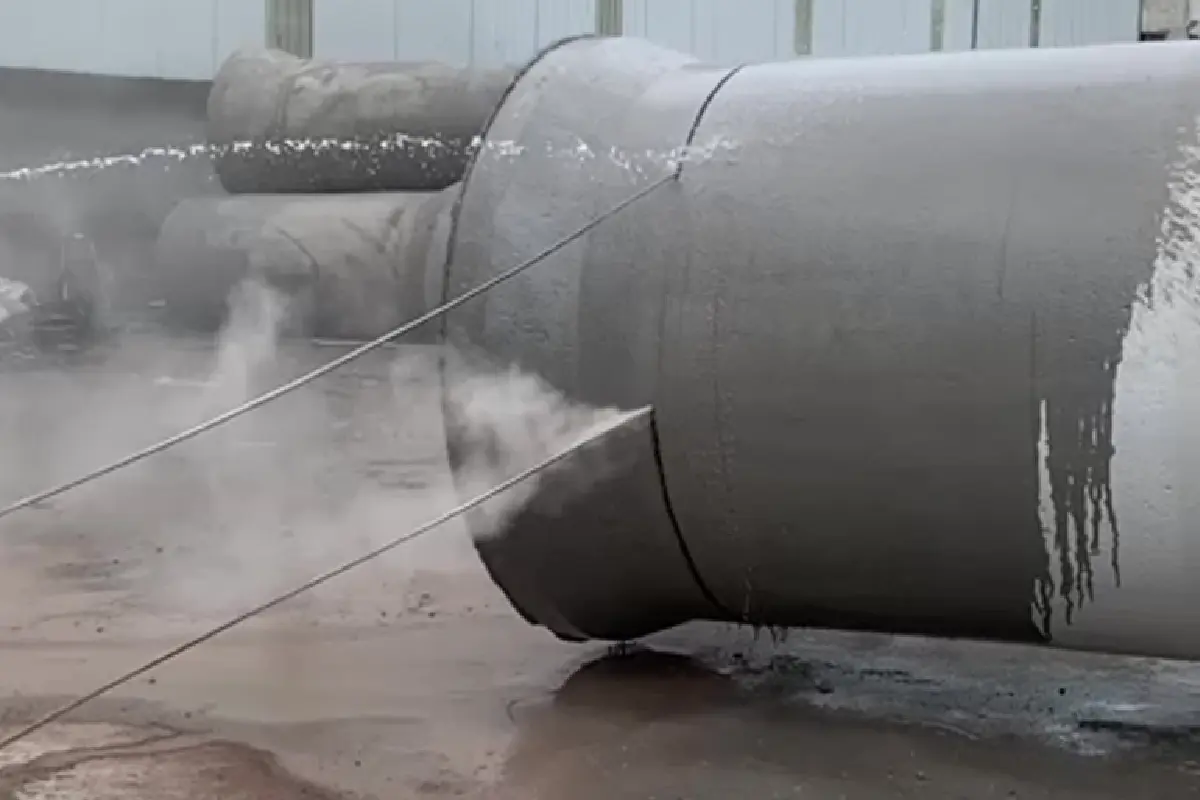
Diamond wire sawing is a cutting method that can completely change the way reinforced concrete and steel structures are built. It is more precise, faster, and more flexible than other methods. At their heart, diamond wire saws for concrete and steel use a high-tensile steel cord that is filled with diamond-filled beads to cut through even the toughest materials. This technology makes complicated demolition and repair projects less noisy and less likely to vibrate. It also makes clean, accurate cuts. Wire sawing is different from using circular blades or hydraulic breakers because it can cut through thick walls, get through small places, and finish jobs faster while still protecting the structure. Because of these benefits, quarry owners, concrete cutters, and people who sell industrial equipment need diamond wire saws to get reliable, high-performance solutions.
Understanding Diamond Wire Sawing Technology
What Makes Diamond Wire Saws Unique?
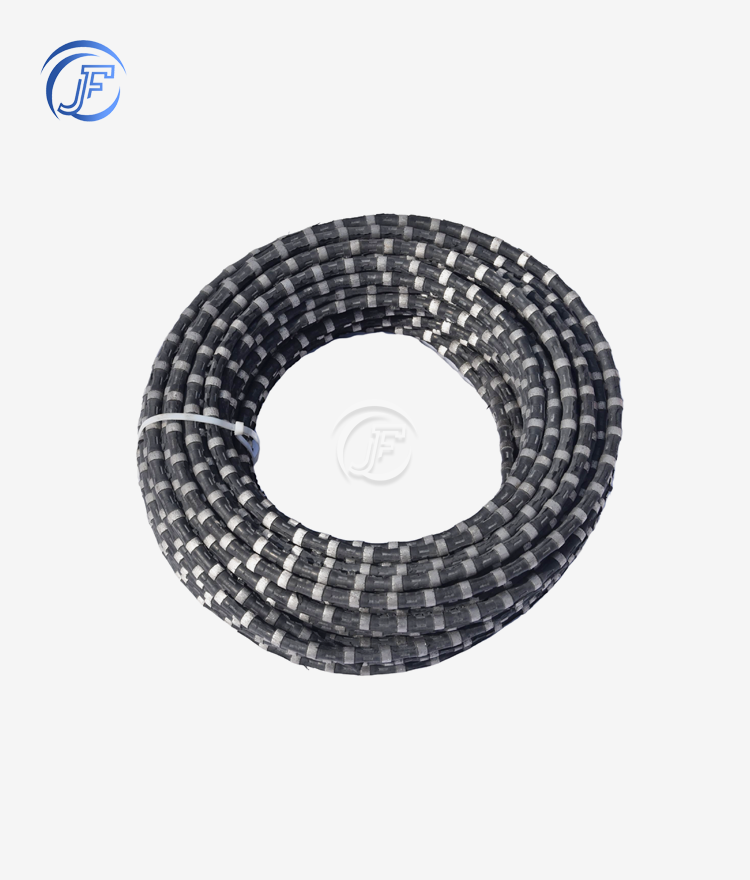
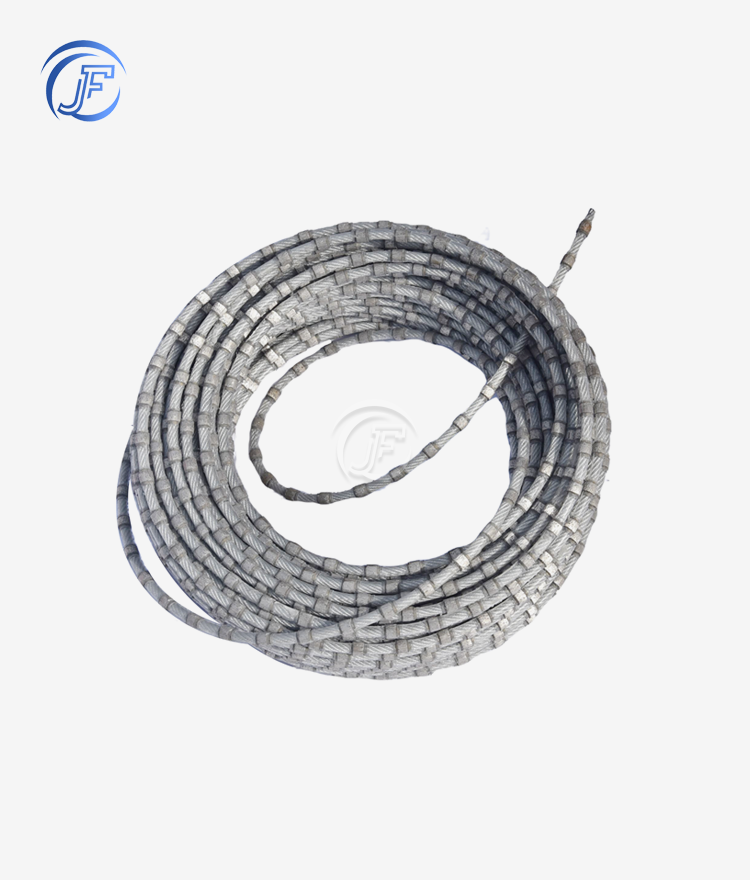
Diamond wire saws are made up of a multi-strand steel rope that has vulcanized rubber or high-performance polymers used to attach diamond beads to it. The beads have high-quality synthetic diamonds inside that can cut through Grade 60 rebar and high-strength concrete that is stronger than C50 standards. The wire can bend around pulleys and follow complicated cutting paths because of this design. This is something that rigid blade systems cannot do. The carrying wire can usually handle a breaking load of more than 2000 kg, which makes it durable for long-term high-stress use.
Core Components and Operational Mechanisms
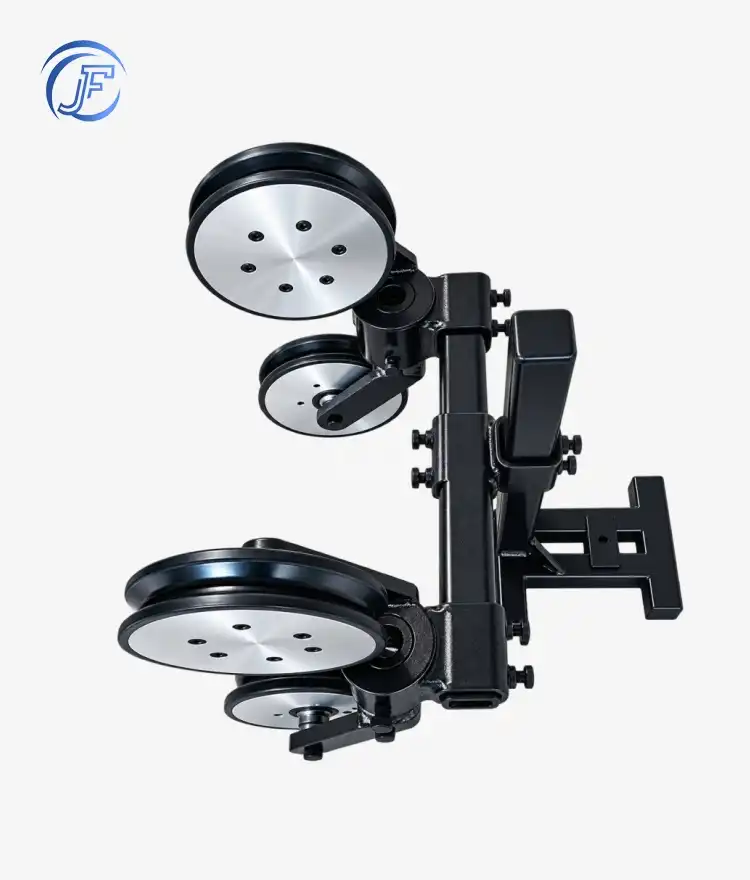
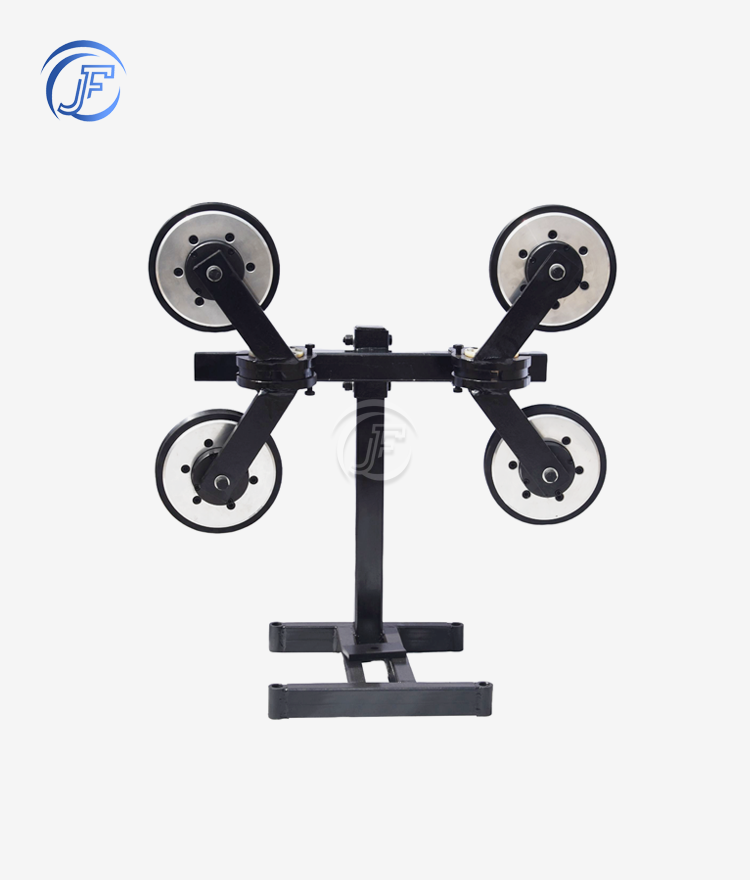
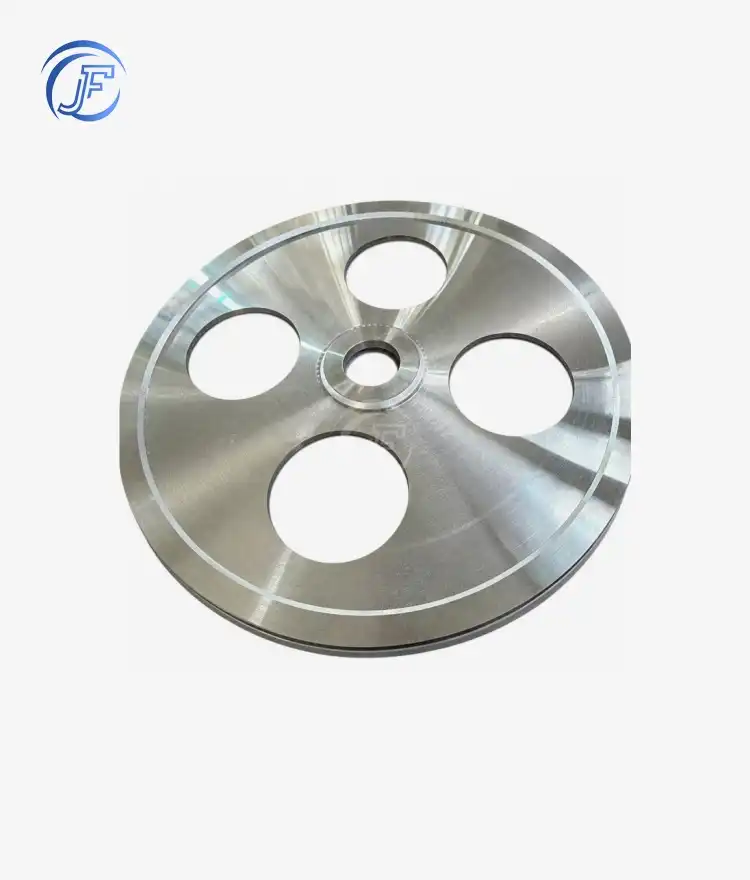
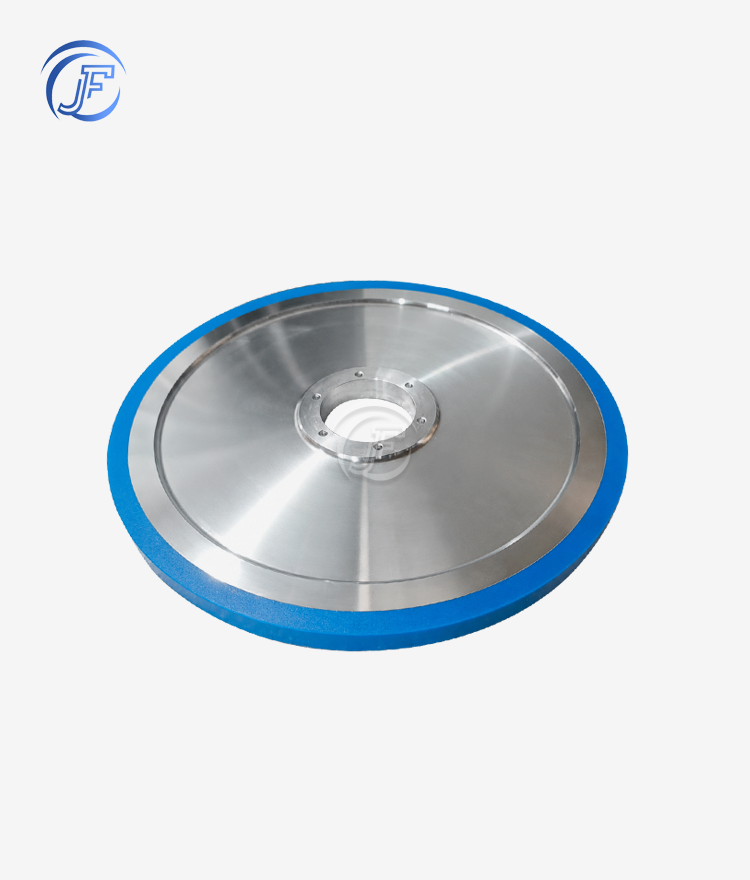
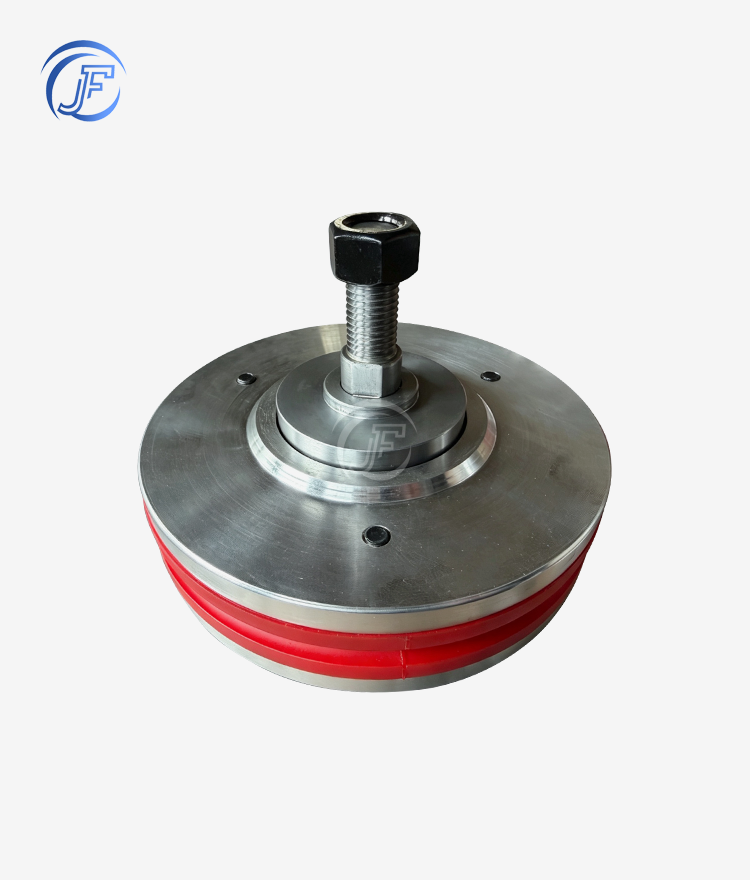
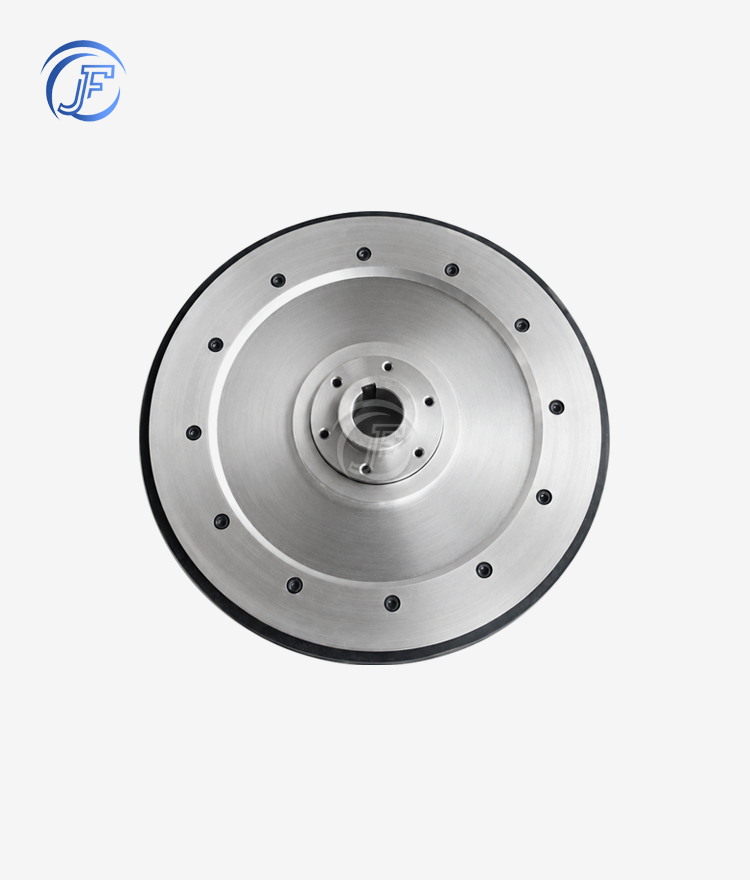
The system has guide wheels, tension wheels, and spinning units that make sure the wire stays at the right speed and tension while it is being cut. In diamond wire saws for concrete and steel, the diamond beads move along at speeds of 18 to 30 meters per second and make thousands of small cuts every minute. Cooling with water is an important part of the process because it flushes away the slurry and keeps the diamond matrix from getting damaged by heat. The injection-molded coating keeps abrasive slurry out, which extends the tool's useful life and keeps the cutting quality consistent over long project periods.
Portable vs. Stationary Models
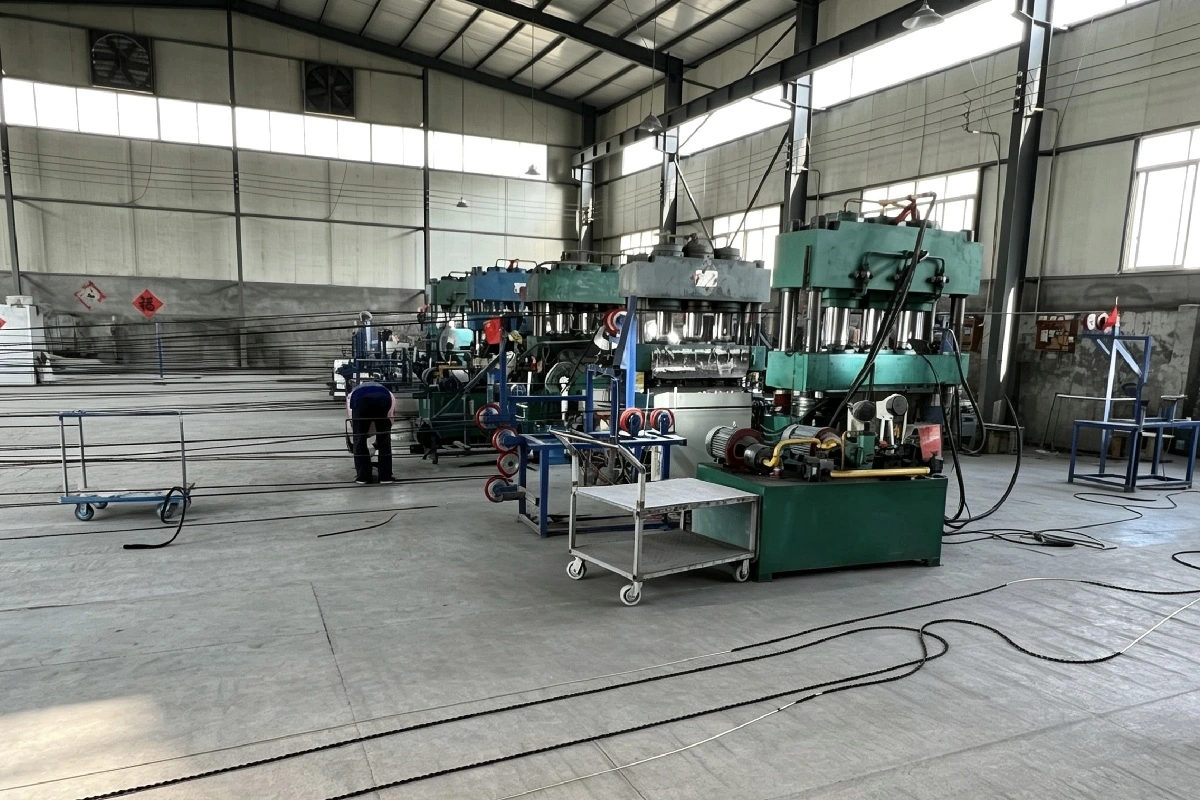
Portable diamond wire saws are easy to move around for jobs like removing bridge piers and remodeling buildings. These units can be moved to job areas that are far away and set up quickly with little need for infrastructure. Stationary types, which are common in stone fabrication shops, offer more steadiness and higher power levels for settings where work is done all the time. CNC-controlled wire saws are the best of the best. They offer programmable precision for custom stone cutting and large-scale quarrying activities that need to be accurate and repeatable in order to make money.
Advantages of Diamond Wire Sawing Over Traditional Cutting Methods
Precision and Material Conservation
Wire saws can make kerf widths as narrow as 11–12mm, which wastes a lot less material than circular saw blades, which remove 5–10mm more material per cut. When cutting expensive marble or granite blocks, this accuracy is very helpful because every millimeter of stone that is kept in good shape means more money. The controlled cutting action stops micro-fracturing in the surrounding areas. This keeps the structural soundness of concrete elements next to each other during partial demolition projects.
Accelerated Project Timelines
When time is of the essence, cutting speed benefits become clear in infrastructure projects. A recent job to decommission a bridge in the Midwest showed that diamond wire saws for concrete and steel could finish 40% faster than the original estimate for using a rough saw. Bottlenecks that happen with older methods can be avoided by making multiple cuts at once and working in small spaces without having to move heavy equipment around. Continuous running means that workers can keep working hard during long shifts without having to worry about thermal overload.
Enhanced Safety Profile
Wire saws are different from impact-based removal tools because they don't vibrate as much. Operators don't get as tired after long cutting sessions, and the lack of jarring movements lowers the risk of hand-arm vibration syndrome. With remote operation, technicians can stay away from unstable structures while still being safe. This is especially helpful during disaster recovery or nuclear decommissioning work. Because the cut is controlled, it doesn't cause random structure failures like explosive destruction or hydraulic splitting can.
Environmental Compliance
Diamond wire sawing usually makes 15-20 decibels less noise than similar circular saw operations. This makes it possible to work in cities with strict noise ordinances. When the right water transport methods are used, dust production drops by about 60%. This protects both worker health and the air quality in the area. These traits match up with stricter environmental rules in North American building markets, which helps builders get permits for sensitive job sites near schools, hospitals, and residential areas.
When decision-makers know about these practical benefits, they can see how wire sawing technology solves the problems that stone quarrying companies, concrete cutting experts, and equipment dealers have identified. When you combine speed, accuracy, and safety, you get a strong value offer that makes the switch from older cutting methods worthwhile.
How to Select the Right Diamond Wire Saw for Your Project
Matching Technology to Material Requirements
Material density and rebar concentration have a direct effect on the choices of wire specifications. Vacuum-brazed diamond beads with 40 to 44 beads per meter work best for aggressiveness and chip clearance in heavily reinforced concrete with high-carbon steel rebars. Sintered matrix beads are useful for stone quarrying because they last longer when cutting through smooth granite or marble. The diameter of the bead, which should be between 10.5mm and 11.5mm, should match the hardness of the object being cut. For example, bigger sizes are better for soft concrete, and smaller ones are better for hard stone.
Evaluating Machine Specifications
The amount of power needed grows as the job does. For home renovations, a 30-horsepower hydraulic power pack is enough. However, 75-horsepower systems may be needed to keep cutting through big structural members at high speeds during industrial bridge disassembly. The width of the drive pulley is very important; pulleys that are too small cause wires to wear out too quickly by going beyond the minimum bend radius standard. Managers in charge of buying things should make sure that the equipment they are considering has real-time tracking and tension systems that can be adjusted. This will keep wires from breaking too soon because of too much strain or not enough cooling.
Certified Manufacturers and Quality Assurance
Suppliers with a good reputation keep their ISO 9001 approval and do strict quality control tests. The Bead Pull-off Strength Test, which meets EN 13236 standards, checks how much force is needed to move a bead and keeps dangerous projectiles from flying during operation. Ultrasonic testing makes sure the steel core is solid, and diamond distribution uniformity testing makes sure the wire has even wear patterns all the way along its length. If you buy from makers who offer full paperwork and traceability, you can avoid buying fake goods that flood some markets, break down early, and put jobsite safety at risk.
These selection criteria help companies that work with stone, engineering contractors, and industrial distributors find equipment that will work well for a long time and won't break. This way, they can avoid the expensive mistakes that come with specifications that don't match or poor manufacturing quality.
Maintenance, Safety, and Operational Best Practices
Proactive Maintenance Protocols
Regular checks of the wires on diamond wire saws for concrete and steel before each shift find early signs of wear, like beads with a width less than 9.0 mm or noticeable matrix flushing. Instead of depending on the operator's gut feeling, tension changes should be checked with calibrated gauges, since incorrect tension is a major cause of early failures. Every 40 hours of use, guide wheel bearings need to be oiled, and the shapes of pulley grooves need to be measured to find wear that makes the wires move side to side. Keeping detailed service logs lets you plan ahead for maintenance, which stops unexpected downtime during key project stages.
Comprehensive Safety Measures
Personal safety equipment that is required includes face covers that can protect against impacts, cut-resistant gloves that meet ANSI A4 standards, and hearing protection, even though wire saws are quieter than other methods. Setting up no-go zones around the cutting area protects people from the very rare but serious risk of breaking a wire. Lockout-tagout procedures keep machines from turning on by accident while wires are being installed and tensioned. Site-specific risk assessments should look at dangers that are unique to that location, like power lines above quarries or buried utilities in urban demolition situations.
Troubleshooting Common Issues
If the cutting speed slows down after proper maintenance, operators should first check the flow rates of the cooling water and the placement of the nozzles. Diamond "glazing" happens when metal matrix particles melt and cover up cutting crystals because the diamond isn't cooled enough. When vibration patterns aren't normal, it's usually because the beads aren't centered properly. This means that the wire needs to be replaced right away to keep the drive parts from getting damaged. When site managers understand these diagnostic rules, they can quickly fix problems without having to wait for technical help from the maker. This keeps the project moving forward and keeps clients happy.
Procurement Insights: Buying and Renting Diamond Wire Saws
Sourcing from Trusted Global Suppliers
Building partnerships with makers that keep smart stockpiles of spare parts will ensure continuity when wires and guide wheels need to be replaced right away. When bidding on specialized contracts, suppliers who offer customization can change the length and spacing of the beads to fit the specifics of each project. This gives them a competitive edge. Cost savings are achieved through bulk purchasing agreements for distributors that serve regional markets. On the other hand, smaller fabrication shops may prefer the flexibility of spot purchasing that fits their changing project loads.
Investment Analysis for 2026
The quality of the wire has a big effect on the general cost of the job. It costs more up front to buy premium vacuum-brazed wires for diamond wire saws for concrete and steel, but they last 20 to 30 percent longer in harsh environments than sintered wires. Prices vary a lot because machines can have a wide range of features, from fully automated CNC control systems to human tension adjustment. When choosing between basic and advanced tools, you should think about how skilled the user is, how much you need to make, and how complicated most cuts are. The image of a brand is linked to its guarantee terms and service network accessibility. These factors protect against the total cost increases that happen when equipment breaks down in the middle of a project.
Rental vs. Purchase Considerations
Rental agreements that don't require capital expenditures or maintenance are often preferred for projects that last less than three months. When contractors need to take down a bridge or fix a building quickly, they can rent the equipment they need instead of buying it and keeping it for a long time. Equipment purchases, on the other hand, lower hourly working costs for stone quarries and fabrication shops that run constant production. Rental agreements should make it clear who is responsible for replacing consumables and include training for operators to stop misuse charges that drive up the real rental rates.
After-Sales Support Importance
Professional suppliers are different from commodity vendors because they offer full technical support packages. Having access to remote tests 24 hours a day, seven days a week helps fix operating problems during night shifts when there aren't any local service staff available. Help with installation, training tools for operators, and records of preventative maintenance all make it easier to get used to new equipment. Warranty terms that cover both broken equipment and early wire wear protect operators financially during the important break-in period, when they are still figuring out the best cutting parameters for their specific jobs.
Conclusion
Diamond wire sawing technology has completely changed how professionals cut things made of natural stone, steel buildings, and reinforced concrete. The most important problems that quarry owners, demolition contractors, and stone fabricators face can be solved by using diamond wire saws for concrete and steel, which combine accuracy, speed, safety, and environmental responsibility. When choosing the right tools, you need to think carefully about the properties of the materials, the scope of the job, and how reliable the provider is. Maintenance procedures and operational discipline that are done correctly extend the life of equipment and keep workers safe. As infrastructure rebuilding speeds up and environmental rules get stricter, diamond wire sawing is the only way to meet the needs for both efficiency and responsible building.
FAQ
1. Can diamond wire saws cut both concrete and steel effectively?
Of course. Diamond wire saws are great for cutting hybrid buildings made of reinforced concrete and thick steel rebar. The important thing is to choose the right wire specification: vacuum-brazed beads are best for steel-heavy applications, while sintered matrix beads work best for concrete that is all the same thickness. When you set the linear speed correctly, which is usually between 18 and 22 meters per second for high steel ratios, you can keep the diamond from glazing and keep cutting efficiently throughout the job.
2. When should I replace the diamond wire?
If the bead diameter drops below 9.0mm or the cutting speed slows down a lot despite regular maintenance, the wire needs to be replaced. The diamonds cannot cut well anymore if you look at them and see that the matrix has been completely flushed. In concrete, most lines can be used for 30 to 50 hours without breaking. However, if the conditions are rough, this time may be cut short. Keeping extra lines on-site stops expensive project delays that happen when replacements need to be made.
3. Is diamond wire sawing safe for busy construction sites?
Diamond wire sawing is safer than many other methods when used according to the manufacturer's instructions. Low vibration keeps operators from getting tired, and controlled cutting action keeps structures from breaking in ways that are hard to predict. Setting up the right safety zones, wearing the required personal protective equipment, and making sure operators get enough training all make the workplace safe. The technology's ability to be controlled from a distance makes it even safer in unstable or dangerous places.
Partner with Goldfen Machinery for Superior Cutting Solutions
For more than 20 years, Goldfen Machinery has been making diamond wire saws for concrete and steel that work better than other saws on the market. Our custom wire saw parts cut 15% more efficiently than standard goods in the industry. This lowers your total cost of ownership by extending the life of your consumables and lowering downtime. Under ISO 9001 standards, every wire and machine goes through strict quality control tests. This makes sure that they will work reliably in the harsh conditions that quarry workers and demolition companies work in.
We keep a strategic stockpile of standard models that can be delivered within 15 to 25 days for urgent project needs. In addition, our technical team creates custom solutions for one-of-a-kind uses that need specific requirements. As a direct producer and seller of diamond wire saws for concrete and steel, we don't have to pay markups to middlemen. This means that we can pass on big savings to our customers. Our combined global transportation partnerships make sure that customs clearance goes smoothly and that deliveries get to job sites across North America on time.
In addition to selling equipment, we offer full technical support 24 hours a day, seven days a week; thorough materials for teaching operators; and an assured supply of extra parts to protect your production plans. Get in touch with our purchasing experts at sales@goldfenwiresaw.com to talk about your specific cutting needs and find out how our tried-and-true solutions can improve your operations while lowering your long-term costs.
References
1. Diamond Tool Technology Institute. (2023). "Advanced Diamond Wire Sawing in Modern Construction: Technical Analysis and Performance Benchmarking." Industrial Cutting Technology Quarterly, Vol. 47, pp. 112-139.
2. American Concrete Institute. (2022). "Precision Cutting Methods for Reinforced Concrete Structures: Comparative Study of Diamond Wire vs. Traditional Techniques." ACI Structural Journal, Vol. 119, No. 4, pp. 89-104.
3. International Society for Rock Mechanics. (2023). "Diamond Wire Saw Applications in Stone Quarrying: Efficiency, Safety, and Environmental Impact Assessment." ISRM Technical Report Series, No. 2023-06.
4. Construction Equipment Research Council. (2024). "Lifecycle Cost Analysis of Diamond Wire Sawing Systems in Infrastructure Demolition Projects." CERC Annual Industry Report, pp. 234-267.
5. Occupational Safety and Health Research Institute. (2023). "Vibration and Noise Reduction in Modern Cutting Technologies: Diamond Wire Sawing Safety Profile." OSHRI Workplace Safety Bulletin, Vol. 18, No. 2, pp. 45-62.
6. European Diamond Tool Manufacturers Association. (2022). "Quality Standards and Testing Protocols for Diamond Wire Saw Components: EN 13236 Compliance and Beyond. "EDTMA Technical Guidelines, 8th Edition, pp. 78-103.
Online Message
YOU MAY LIKE
These recommended wire saw machines and accessories for your cutting projects.