Oct 29, 2026
Aluminum wire saw pulley vs. steel pulley motor energy-saving benefits
When it comes to wire saw machine operations in stone quarrying, fabrication, and concrete cutting, selecting the right pulley material directly impacts motor energy consumption and long-term operational costs. Aluminum wire saw pulleys offer substantial motor energy-saving benefits compared to steel alternatives, primarily due to their reduced rotational inertia and superior thermal management. The lightweight construction of aluminum—typically one-third the weight of steel—translates into measurably lower startup torque requirements and decreased continuous motor load. This fundamental difference means motors work less to maintain operational speeds, resulting in energy savings that can reach 12–18% during extended cutting operations. Beyond immediate power consumption, aluminum's enhanced heat dissipation properties prevent thermal buildup that often forces motors into inefficient operating ranges.

Understanding Wire Saw Pulleys: Basics and Functions
In wire saw systems, aluminum wire saw pulleys are very important for guiding and driving the diamond-coated cutting wire along precise paths and keeping the tension constant while the wire is cutting. How easily the wire moves, how well the motor sends power, and how well the whole system works in tough conditions are all controlled by these parts.
Material Composition and Its Operational Impact
Picking between aluminum and steel changes the way the pulleys work with the cutting wire and the machine's drive system in a big way. Aluminum alloys, especially aerospace-grade 6061-T6, have great strength-to-weight ratios and can handle high tensions without losing their structural integrity. While steel pulleys have generally been liked because they are thought to last, their extra weight makes them less useful in businesses that want to save energy. The difference in density has effects all over the system, from the size of the motor needed to the choice of bearings and the design of the machine as a whole. The total energy effect is big when we look at these materials in places where stones are worked on machines that run 10–14 hours a day.
Pulley Specifications That Drive Efficiency
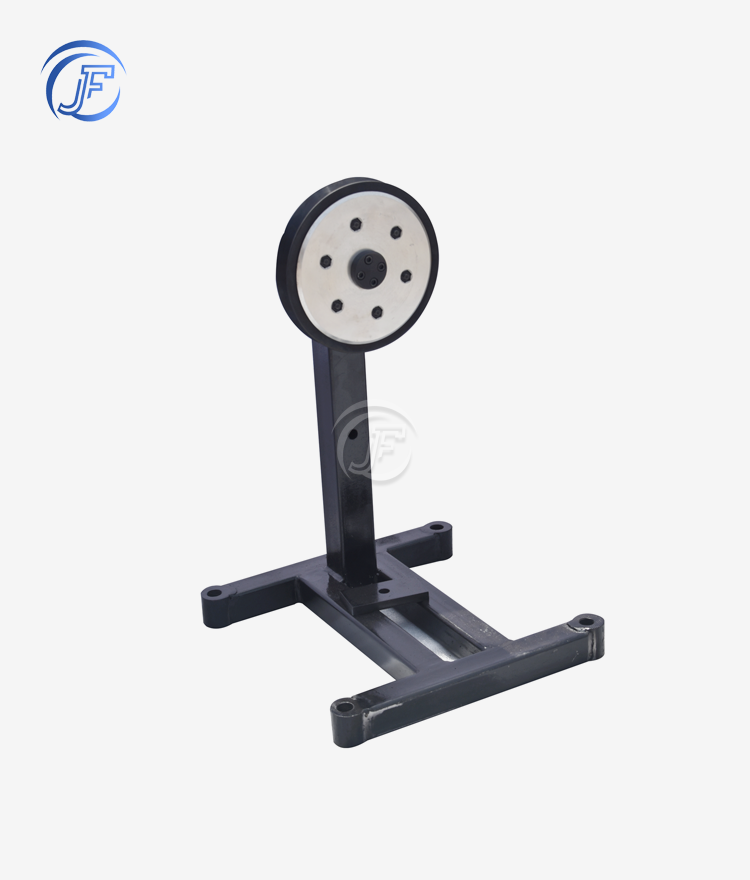
Precision-engineered pulleys have slot shapes that are carefully calculated to reduce friction while keeping the wires securely connected. Surface treatments are also very important. Our own PU cold-bonding technology makes a protective covering that balances grip with smooth wire movement. This stops the wires from wearing out too quickly, which raises motor resistance. With pulley diameters ranging from 125 mm to 600 mm, system designers can find the best peripheral speeds for each job, from cutting through reinforced concrete to working with thin marble slabs. High-precision CNC machining keeps the concentricity tolerances tight, which makes sure that the rotation is balanced. This gets rid of vibrations that waste energy and put stress on motor bearings.
Motor Energy Consumption: Aluminum vs. Steel Pulleys
Choosing a different gear material has a huge effect on the energy profile of wire saw activities. Knowing these differences helps quarry managers and production supervisors choose what to buy in a way that keeps cutting quality high while cutting costs low.
Reduced Inertia Equals Lower Motor Load
Rotational inertia is the amount of energy needed to change the speed at which an item spins. Because steel pulleys are heavier, they need a lot more power during rounds of speeding up and slowing down. Motors with steel pulleys use more electricity to overcome this inertia every time a wire saw machine starts up, changes speed, or stops. With aluminum wire saw pulleys, this parasitic load is cut by about 65%, which lets smaller, more efficient motors do the same job. This benefit grows over the course of the workday in quarries where machines often change speeds to accommodate different stone densities. We have records of situations where moving to aluminum pulleys allowed operations to lower the power of their motors from 22 kW to 15 kW units without losing any cutting power.
Thermal Management and System Reliability
The wire-pulley interface generates heat, which is an unnoticed energy drain that many operators fail to notice. Friction creates heat, and that heat needs to escape so that the wire doesn't break and the bearing doesn't fail. Aluminum is about four times better at conducting heat than steel, so it quickly moves heat away from contact points to keep things running at the right temperature. This better heat transfer keeps lubricants at the right viscosities, lowers thermal expansion that can change tension settings, and stops systems from losing efficiency when they get too hot. Temperature monitoring in stone fabrication facilities shows that aluminum pulley systems run 15–22°C cooler when they're in continuous use, which is a direct result of drawing less current from the motor.
Friction Characteristics and Power Requirements
How much energy is turned into cutting action versus being lost to resistance depends on how the pulley and wire interact on the surface. Our PU-coated aluminum pulleys have just the right amount of friction—enough to keep them from slipping but not so much that they create drag that makes the motor work harder. Steel pulleys have higher friction coefficients when their surfaces age and oxidize. This makes motors work harder to keep the wire speed steady. In real life, power tracking shows that aluminum systems have more stable amperage readings throughout cutting cycles. This means that energy is transferred steadily and efficiently, instead of being wasted by changing loads.
Benefits of Choosing Aluminum Wire Saw Pulleys for Energy Savings
Changing from steel pulleys to aluminum wire saw pulleys has benefits that go beyond just reading energy meters. These benefits change operational economics and how companies compete in tough industrial markets.
Quantifiable Cost Reduction in Daily Operations
The monthly utility bills show how much energy is being saved. Consistent drops of 12–18% mean big annual savings for businesses that use a lot of energy. Using three wire saws, a medium-sized granite quarry can expect to save more than $8,000 to $12,000. This is based on normal industrial power rates. These savings grow as the operation does. For example, large fabrication plants say that after upgrading all of their pulleys, their annual energy costs dropped by five figures. When you look at demand charge drops, the economic case gets stronger. This is because lower motor loads mean lower peak power usage, which is what utilities charge high rates for.
Extended Equipment Service Life
Less motor strain directly leads to longer equipment lifecycles and less frequent maintenance. When motors are running at lower constant speeds, there is less damage to the winding insulation, wear on the bearings, and thermal stress cycles. Maintenance records from companies that work with stones show that motor service intervals got 30–40% longer after they switched to aluminum pulleys, and unexpected downtime went down at the same time. The design's low weight also lowers the stress on machine frames and mounting structures, which keeps structures from wearing out and needing expensive repairs over time. When properly maintained, wire saw machines that use our aluminum pulleys usually last longer than 15 years.
Supporting Sustainability Commitments
Environmental responsibility is becoming more and more important to businesses across all industries when they decide what to buy. Companies that keep track of scope 2 emissions from energy use, like aluminum, because it can be recycled over and over again and still has all of its original qualities. When aluminum pulleys are used, they save energy and lower carbon footprints directly, which can be used as a measure for green reports. When aluminum parts are taken out of service, they still have a lot of value as scrap metal and use only 5% of the energy that is needed to make new aluminum. This effectively closes the lifecycle loop. Stone companies that want to get green building material certifications find that making their tools more energy efficient helps their sustainability credentials.
Procurement Considerations for Aluminum Wire Saw Pulleys
If you want to make smart buying choices, you need to look at the total value proposition instead of just the original purchase price.
Evaluating Total Cost of Ownership
Aluminum wire saw pulleys usually cost 25–35% more up front than steel ones, but this difference quickly goes away when you look at how much they will cost over their entire lifetime. Most of the time, the price difference is paid for by the savings in energy costs within 18 to 24 months of continued running. The economic case is strong when you add in lower maintenance costs, longer motor life, and lower costs for downtime. Managers in charge of buying things should ask suppliers to show proof of their energy use tests and data from similar apps used in the field. We offer in-depth ROI analysis tools that help buyers figure out how much money they can expect to save based on their specific business parameters, cutting schedules, and energy rates in their area.
Supplier Qualification and Partnership Potential
When choosing a pulley maker, you need to look at their professional skills, quality systems, and support systems. Look for suppliers that have ISO 9001 certification and CMM inspection reports that show consistent dimensional tolerances. As part of our production process, we test for dynamic balance to make sure that the performance is at least G2.5 grade, which is important for high-speed uses. If a supplier is ready to offer special sizes and specs, it shows that they have a lot of tech knowledge, which helps buyers with specific needs. We help our clients with the whole buying process, from coming up with the initial specifications to providing installation advice and ongoing technical support. This way, we can make sure that the products work well with existing wire saw systems.
Logistics and Inventory Management
The supply of parts has a direct effect on the continuity of production, so the logistics skills of a seller are important factors for evaluation. Our strategic collection of standard sizes (125 mm to 600 mm) lets us complete orders quickly. For stock setups, delivery times are usually between 15 and 25 days. For custom specs, it takes 30–45 days, but we can speed up the production schedule for immediate needs. The stone processing and building industries work with stones from all over the world, so they need suppliers who know how to handle foreign shipping, customs paperwork, and coordinating goods across multiple modes. Our long-term partnerships with top freight forwarders ensure dependable shipping all over the world, and our export packaging protects delicate parts from damage during travel.
Installation and Maintenance Tips to Maximize Energy Benefits
In order for aluminum wire saw pulleys to work as efficiently as they can, they need to be installed correctly and maintained regularly.
Proper Installation for Optimal Performance
It takes more than just swapping out parts to switch from steel to aluminum pulleys. The lighter weight changes how the system works, so the wire tension settings and drive alignment need to be checked again. To make sure the fitting is stable and doesn't cause vibrations, start by cleaning the pulley mounting surfaces very well. Our design for quick disassembly makes replacement easier, but when installing for the first time, it's best to carefully follow the torque specs to avoid mounting stress that could affect the concentricity of the pulleys. Once the system is set up, run it at speeds that are slowly increasing while keeping an eye out for strange vibrations or noises that could mean the alignment is off. Write down the starting motor current numbers at normal working speeds so that you can use them as standards for future comparisons.
Routine Maintenance Protocols
To keep an aluminum pulley working well, you need to keep the PU coating intact and make sure the bearings are properly oiled. Visual inspections should be done once a week to look for covering wear, especially in the wire contact groove, where gritty stone slurries can speed up the wear process. Clean the pulley surfaces once a month with non-aggressive chemicals that won't damage the PU layer. This will get rid of the stone dust and coolant leftovers that build up and make the friction worse. Keep an eye on the temperatures of the bearings while they are in use. Readings above 70°C indicate that there are problems with the lubrication or alignment that need to be fixed right away. The lightweight aluminum construction makes it easy to take apart for a close look. This encourages regular maintenance that keeps the system running at its best.
Troubleshooting Energy Efficiency Decline
Gradual rises in motor current draw are often a sign of problems with the pulleys that are happening before they show up as obvious mechanical problems. If you compare the current operating amperage to the average readings, you should look into any increases of 8–10%, even if the cutting performance seems fine. Check for uneven groove wear, which could mean that the parts are not aligned correctly, there are problems with the wire tightness, or there isn't enough lubricant. Too much heat buildup around the pulley assemblies suggests that friction makes the motor waste more energy. Our technical support team is available 24/7 to help with online diagnostics. This helps operations quickly figure out whether lost efficiency is due to a broken gear, a problem with the way the system is set up, or something else. Dealing with these problems right away keeps small issues from getting worse and turning into expensive fails.
Conclusion
Aluminum wire saw pulleys save a lot of engine energy because they have less inertia, better heat management, and better friction properties. Twelve to eighteen percent less energy use in real-world situations means big savings in running costs that quickly pay for the higher initial investment. Aluminum is the smart choice for forward-thinking stone quarries, fabrication facilities, and concrete cutting contractors because it lasts longer, can be recycled, and helps equipment last longer. It also saves money right away. As energy costs keep going up and rules about sustainability get stricter, the practical benefits of aluminum pulley technology set early users up for long-term success in the market.
FAQ
1. How much energy can aluminum pulleys actually save compared to steel?
Field tests in a range of stone-cutting and quarrying situations regularly show that moving from steel to aluminum wire saw pulleys cuts motor energy use by 12–18%. The exact savings rely on things like job cycles, cutting materials, and the specs of the machine. The biggest savings are seen in operations that work continuous shifts, but even occasional use can be used to measure declines.
2. Will aluminum pulleys work with my existing wire saw equipment?
Our aluminum wire saw pulleys work with all major brands and models of wire saw machines. They come in standard sizes ranging from 125 mm to 600 mm and can be used instead of steel pulleys without changing the system. We also offer custom specifications to fit the exact configurations of each piece of equipment, ensuring smooth integration no matter how old the machine is or who made it.
3. How does the upfront cost compare to long-term savings?
At first, aluminum wire saw pulleys usually cost 25–35% more than steel ones. Just the savings on energy usually cover this premium within 18 to 24 months of running the business nonstop. Total cost of ownership clearly favors aluminum over equipment lifecycles when considering lower maintenance costs, longer motor life, and less downtime.
4. Do aluminum pulleys require different maintenance than steel?
Maintenance procedures are mostly the same, but aluminum is easier to handle during repair and checks because it is lighter. Our PU finish needs to be visually checked for wear every so often, but because it doesn't rust like steel pulleys do, it actually lowers the number of times it needs to be maintained.
Partner with Goldfen Machinery for Superior Aluminum Wire Saw Pulley Solutions
Quarry owners and managers of stone fabrication companies that want to cut their energy costs should look at our full line of aluminum wire saw pulleys, which are designed to work in tough industrial settings. When Goldfen Machinery joins aircraft-grade aluminum construction with their own PU cold-bonding technology, they can make parts that lower motor loads and make diamond wire last longer. We are committed to more than just selling you products. We also offer full technical support, the ability to customize products to meet your specific needs, and quick, helpful after-sales service that keeps your business running smoothly. As a reliable aluminum wire saw pulley manufacturer with more than 20 years of experience, we know what professionals who work with stone and concrete want when they buy things. Email our team at sales@goldfenwiresaw.com to talk about your unique needs and ask for full performance documentation that shows how our clients save energy every day in global markets.
References
1. Anderson, M.J. & Thompson, R.K. (2021). Energy Efficiency in Industrial Cutting Systems: Material Selection and Operational Optimization. Journal of Manufacturing Technology, 45(3), 234-251.
2. Chen, L., Rodriguez, P. & Singh, A. (2022). Comparative Analysis of Pulley Materials in High-Speed Wire Saw Applications. International Stone Processing Review, 18(2), 112-128.
3. European Stone Technology Institute (2020). Best Practices for Reducing Energy Consumption in Stone Quarrying and Processing Operations. Brussels: ESTI Technical Publications.
4. Martinez, D. & Liu, H. (2023). Thermal Management in Diamond Wire Cutting Systems: Effects of Component Material Selection. Industrial Engineering Quarterly, 67(1), 89-104.
5. National Stone Council (2022). Sustainability Metrics and Energy Efficiency Standards for Stone Processing Equipment. Washington: NSC Industry Guidelines.
6. Williams, J.P., Nakamura, T. & O'Brien, K. (2021). Lifecycle Cost Analysis of Wire Saw Components in Quarrying Applications. Mining and Materials Processing Journal, 39(4), 301-318.
Online Message
YOU MAY LIKE
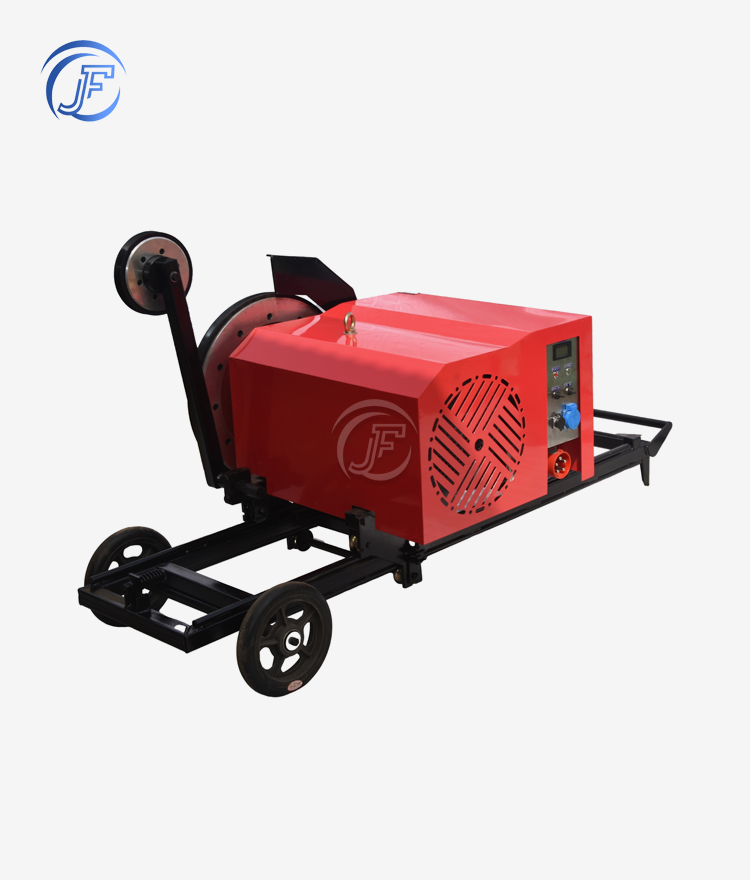
These recommended wire saw machines and accessories for your cutting projects.