Jul 16, 2026
Wire Saw for Stone Cutting: A Complete Guide to Precision Stone Processing
Precision while maximizing material yield isn't just a goal when you're in charge of a stone quarry, fabrication shop, or demolition project; it's a matter of life and death. When you use traditional ways to cut, you end up with a lot of waste, long production times, and equipment breakdowns that throw off your tight plans. The equation is completely altered by a wire saw for stone cutting. This technology uses a continuous diamond-embedded cable to easily abrade through granite, marble, or reinforced concrete. This makes the cuts cleaner, lowers kerf loss, and works well even in tough conditions where regular blades can't go.
Understanding Wire Saw Technology for Stone Cutting
The Core Working Principle Behind Wire Saw Systems
Diamond wire saws and rigid blade systems function differently. A wire saw cuts material using a high-tensile steel cable with diamond beads that rotate around guide wheels. Industrial-grade diamonds wear away the stone as the wire travels 20–45 m/s. This creates minimal heat and shaking. With this approach, large blocks may be cut from quarry sides that are more than 10 meters high while maintaining the surface level to within millimeters, which is not achievable with circular saws.
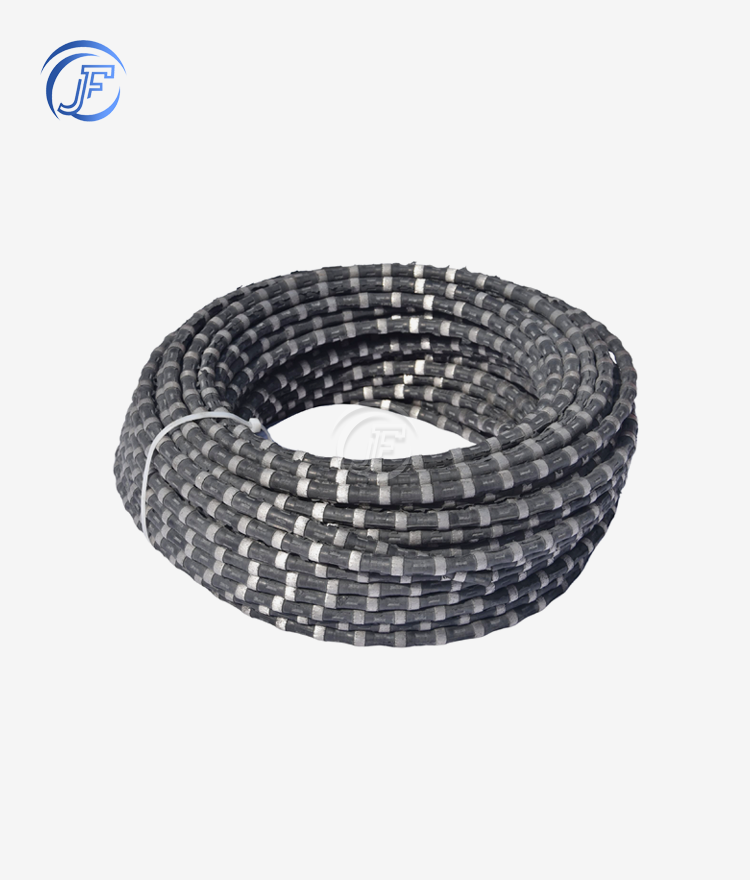
The galvanized steel core of the wire is 4.8mm to 5mm in diameter and has a tensile strength of 2000 MPa. There are 28–40 diamond beads per meter, depending on application. Vulcanized rubber or metal connections connect these beads. This design keeps the wire on the stone while allowing cold water flow. This prevents heat damage to wire and material.
Types of Wire Saw Equipment for Different Applications
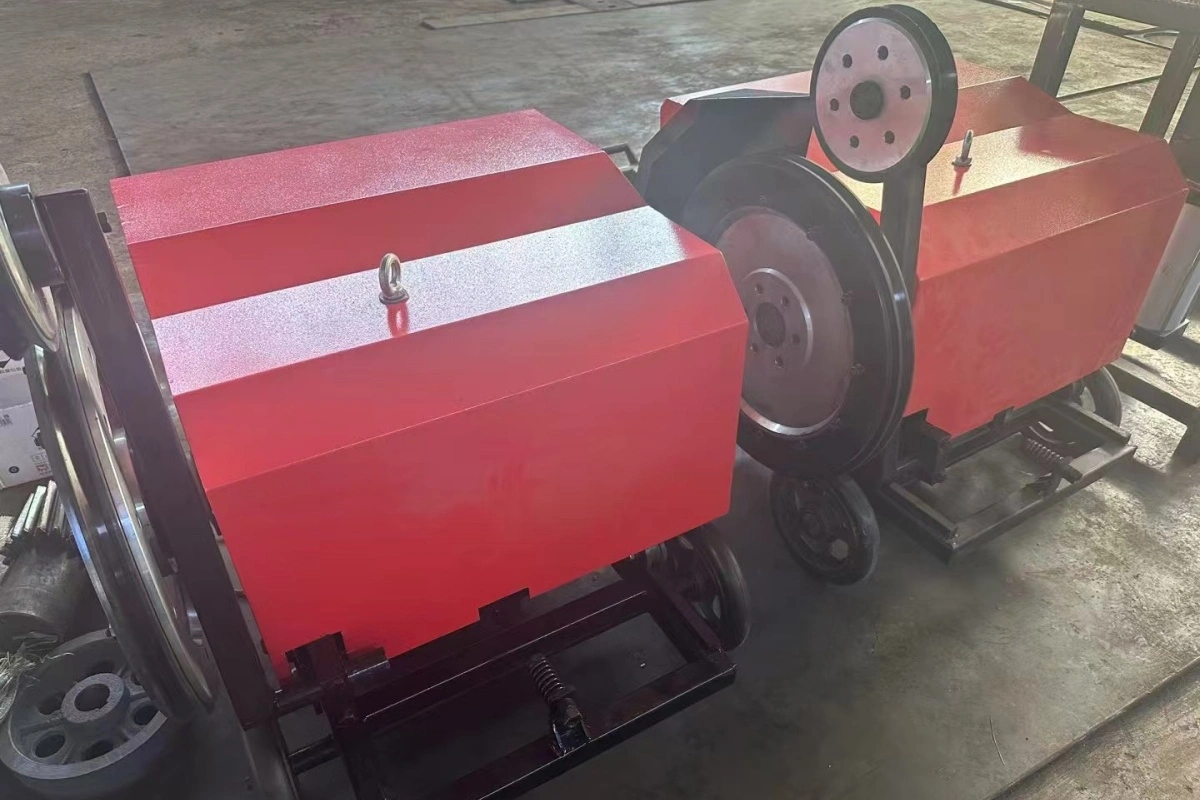
Quarries need fixed or crawler-type equipment to transport large amounts of stone. This category includes the Golden Crawler-category wire saw machine. A heavy-duty chassis stabilizes it on gravel, slopes, and quarry benches. The linear speed control may be adjusted from 0 to 45 m/s to adjust how hard the stone is to cut, and its 37 kW main motor can work constantly. The machine's built-in wireless remote control lets professionals execute intricate cuts from a safe distance.
Processing facilities sometimes utilize stationary CNC wire saws to square odd-shaped blocks or construct intricate architectural shapes. These devices, as a form of wire saw for stone cutting, enable you to design cutting pathways with precision levels below 2 mm, which is highly crucial for pricey projects where waste materials directly influence profitability. Manual wire saws are beneficial for maintenance work and small-scale operations where flexibility is more essential than speed, even if companies don't utilize them much.
Optimizing the Cutting Process to Reduce Material Waste
You must understand how diamond grit size affects stone to utilize a wire saw efficiently. Granite requires coarser grit (30/40 US mesh) for active cutting. Softer materials like marble benefit from finer grit (50/60 US mesh). Also, operators must regularly monitor wire tension. Low tension causes uneven cutting and quicker bead wear. A high-tension cable might break under strain.
Water distribution is crucial for more than cooling. Correctly fitted nozzles flush stone slurry that clogs diamond beads. Keeping cutting efficiency high throughout the procedure. Adjusting water pressure and flow rate depending on real-time slurry consistency and wire temperature eliminates the "glazing" effect, which occurs when beads become smooth and lose their abrasive qualities.
Advantages of Wire Saw Cutting Compared to Traditional Methods
Superior Precision and Material Yield
The 8–12 mm kerf lengths of circular and gang saws lose a lot of stone with each cut. Wire saws reduce this to 6 mm, increasing material return instantly. You may manufacture more pieces to sell while preparing a 100-cubic-meter granite block, which affects your bottom line. Flexible wire systems can cut curves and compound angles that stiff blades can't. This enables pricey, distinctive construction projects.
In addition to size accuracy, wire saws create superior surfaces. Continuous abrasion produces smoother, micro-fracture-free finishes than sawing. This reduces secondary polishing, saving labor and speeding delivery. Manufacturing customers usually claim a 15% efficiency boost when switching to diamond wire systems.
Operational Cost Benefits and Environmental Impact
Stone processing is expensive due to energy usage. Wire saws utilize less power than comparable gang saws because they remove material via abrasion. Industrial wire saw machines employ AC 380V three-phase voltage to supply power consistently without voltage variations that harm motors in previous machines.
Noise pollution harms workers and regulators. Wire saws are quieter than circular saws. It's usually under 85dB where the user stands. This simplifies OSHA compliance and reduces hearing protection needs. Wire saws' water-based cooling system lowers air pollution. This makes workplaces safer and reduces environmental harm from quarries near residences.
How to Choose the Best Wire Saw for Your Stone Cutting Needs
Critical Criteria for Equipment Selection
When purchasing managers look at wire saw investments, they have to weigh a number of technical requirements against operational needs. Cutting speed directly affects production capacity. Linear speeds that can be adjusted between 20 and 45 m/s allow machines to work with both hard granite and soft limestone without having to switch out equipment. The main motor's power should match the typical amount of work that needs to be done. For quarry applications, 37KW motors are the standard because they have enough torque to keep running without stopping often because of overheating.
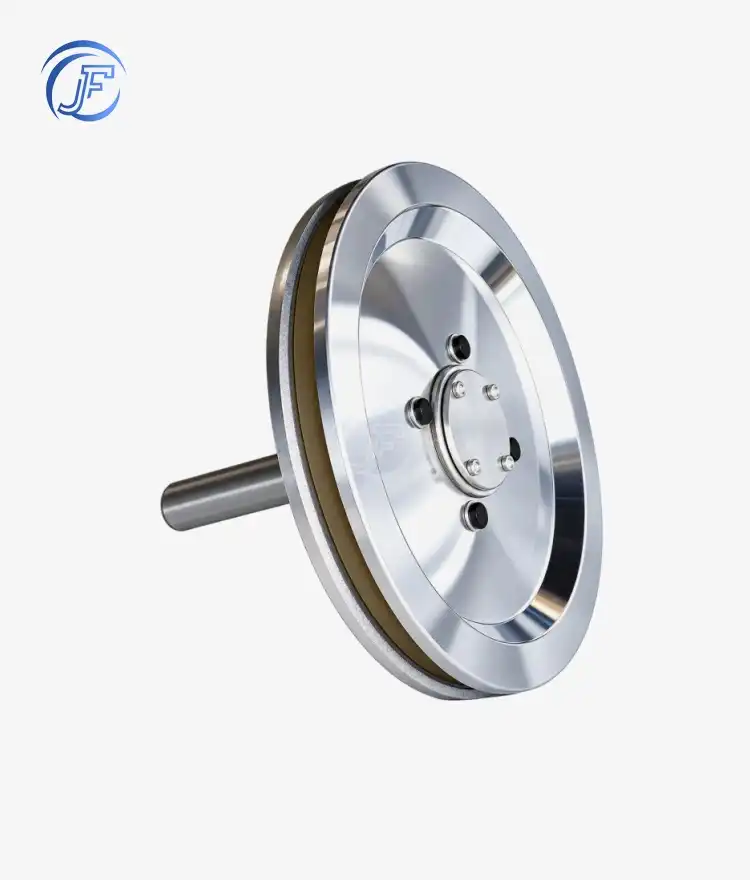
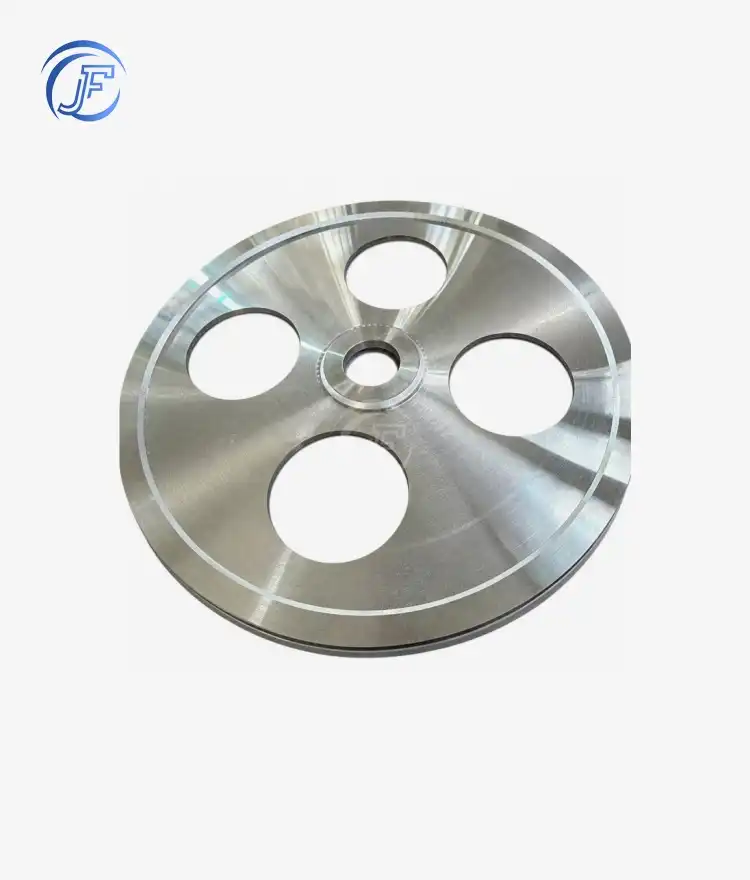
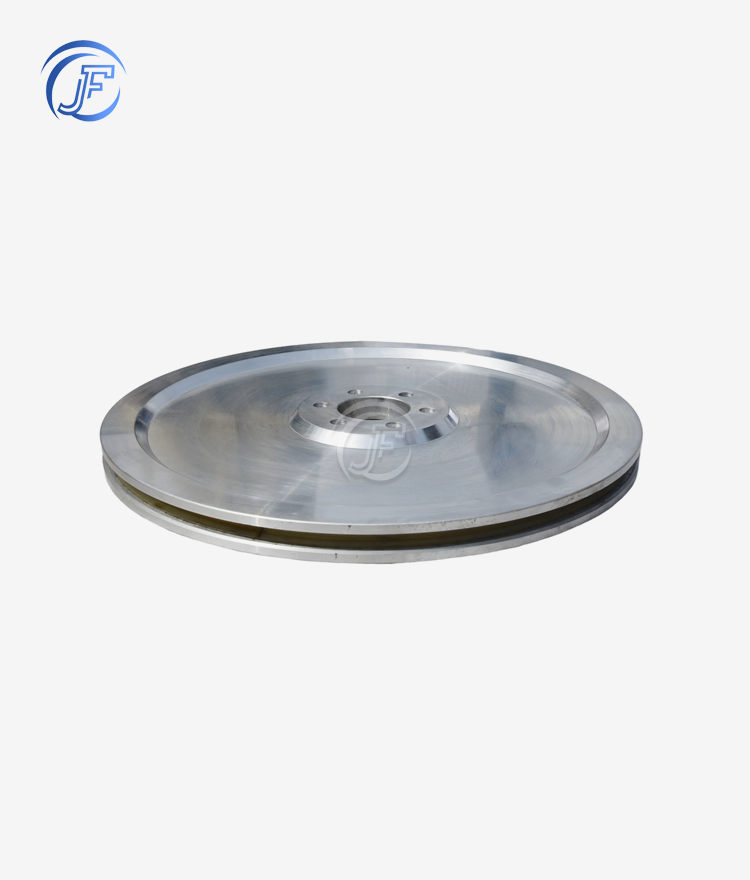
How long wire lasts depends a lot on the quality of the beads and how they are bonded. Even though they cost more at first, sintered cobalt matrix beads last longer and are less likely to break than electroplated options. This investment pays off over the life of the equipment because it means fewer times that consumables need to be replaced. Check to see if possible sellers keep a strategic store of spare parts. Guide wheels, tension wheels, and wire saw wheels need to be replaced from time to time, and problems in the supply chain can stop production without warning.
Electric Versus Manual Systems: Matching Technology to Application
Goldfen's crawler-type heavy-duty electric wire saws, a robust wire saw for stone cutting, are good for large-scale demolition and mining jobs where the cutting depth needs to be more than five meters. These systems come with rechargeable battery banks so they can be used from afar, and they have advanced control software that keeps the wire speed constant even when the ground is uneven. The handheld remote control feature is very helpful when cutting close to unstable rock faces or when tearing down buildings, where the operator needs to be as far away from the work area as possible for safety reasons.
Manual wire saws are still useful in certain situations, like when cutting underground, working in a small area, or restoring historical buildings where minimizing the equipment's size is more important than speed of production. These lighter systems usually use hydraulic or pneumatic power, which means they don't pose any electrical risks in wet areas. They aren't good for commercial stone production, though, because they can't cut as much stone and take longer to cycle.
Diamond Grit Selection and Wire Specifications
By matching the diamond concentration to the stone's toughness, you can keep the wire from breaking too soon and the stone from being cut too poorly. When cutting dense granite, high-quality synthetic diamonds in the 30/40 mesh range work best because they remove material more quickly. When working with marble and limestone, 50/60 mesh diamonds are best because they put surface finish ahead of cutting speed. You should choose a bead diameter that matches your normal cutting depth and the level of accuracy you need on the surface. Bead diameters range from 7.2 mm for precise work to 11.5 mm for rough mining.
When buying wire, quality standards are very important. Although ISO 9001 certification means that the manufacturing process is controlled, the results of the tensile tests on the steel core and the adhesion tests for the bead attachment should also be checked. Reliable makers give these specs in an open way, and they often include X-ray images that show that the diamonds are spread out evenly across the bead surfaces. This level of technical rigor directly predicts how well the system will work and how long the parts will last.
Maintenance and Safety Best Practices for Wire Saw Operations
Preventative Maintenance to Maximize Equipment Uptime
Lubricating guide wheels and tension mechanisms on a regular basis keeps these high-friction parts from wearing out too quickly. Manufacturers usually say that bearings should be inspected every 40 operational hours and replaced completely every 500 hours, but this depends on the environment. Operators should keep detailed service logs that track how often wires need to be replaced, how beads wear, and any strange noises or vibrations. These things can often tell when a component is about to fail before it breaks down completely.
Keeping an eye on the wire tightness during every cutting step is important. Real-time tension measures are built into most expert systems. The best results are usually between 1.8 and 2.3 tonnes, but this depends on the diameter of the wire and the depth of the cut. As the wire goes through different densities of stone, the tension naturally changes. Automated tensioning systems keep the tension constant, but manual operations need skilled workers who can spot small changes in how the stone cuts that mean the tension needs to be adjusted.
Safety Protocols and Operator Training Requirements
For working with a wire saw for stone cutting, you need safety glasses that can withstand impacts, gloves that can fight cuts up to ANSI level A4, and boots with steel toes. Even though wire saws don't send as much debris into the air as circular saws, a high-tension cable failure, which is very unlikely if the machine is well taken care of, can violently release stored energy. By putting up safety zones around cutting areas and making it mandatory to use remote controls during high-risk cuts, you can keep your workers safe from accidents.
Full training for operators should include how to shut down in an emergency, how to install and tension wires, and how to spot worn or damaged parts. A lot of equipment failures are caused by bad wiring rather than mechanical problems. These mistakes happen a lot less often in training programs that include hands-on practice under supervision. As part of their technical support, Goldfen Machinery and other similar companies often offer thorough installation guides and operation instructions. However, nothing beats working with something while being watched.
The Role of Technical Support in Long-Term Success
Building ties with makers that offer remote technical support 24 hours a day, seven days a week, is very helpful for fixing problems that come up during important production runs. Vendors with experience around the world know the most common ways that different types of stone can fail in different operating conditions. This lets them make quick diagnoses even when they're not on-site. This support infrastructure should give you access to technical documentation, maintenance schedules that are tailored to how busy your business is, and fast delivery of spare parts to keep downtime to a minimum.
As technology changes, advanced workers can benefit from getting new training every so often. Modern wire saws have complex control software that automatically finds the best cutting settings. To get the most out of these systems, you need to understand their methods. Manufacturers who spend on customer instruction through webinars, on-site presentations, and large technical libraries show that they are committed to them after the sale of the equipment. This is called a partnership method, and it has been used to support operational excellence for decades.
Procurement Guide: Where and How to Buy Wire Saws and Accessories
Identifying Reputable Manufacturers and Suppliers
Global B2B procurement teams should give more weight to producers that can prove they have exported goods before and have a track record of happy customers in major stone-producing areas. Goldfen Machinery fits this description perfectly. They have been researching and developing diamond wire saw technology for over 20 years and have used their products in places all over the world, including North America, Europe, and Southeast Asia. When you buy directly from the plant, you avoid the markups that distributors add on top of the price, and you can talk to engineering teams that know how to make your application work.
Quality approvals are an objective way to make sure that factory standards are met. Following ISO 9001 standards shows that you have a system for managing quality, and product safety badges like CE marking or MPA approval show that you are following the rules in your area. Ask for proof of the tensile testing results for wire core materials and the bead adhesion strength data. Reliable manufacturers do these tests on a regular basis and are happy to share the results with serious buyers.
Understanding Pricing Structures and Total Cost of Ownership
Prices for wire saws for stone cutting equipment vary based on their features, but skilled buyers look at the total cost of ownership instead of just the purchase price. The original cost of machines with strong construction and high-quality parts is higher, but they last longer and require less upkeep. To compare the real costs of running different pieces of equipment, you should figure out how much you expect to spend on diamond wire, guide wheels, and tension wheels over the next five years.
Value-Added Considerations: Warranty and After-Sales Support
For businesses that use a lot of goods, buying them in bulk can save them a lot of money. Setting up framework deals with makers locks in good prices and guarantees a steady flow of goods. Many suppliers offer tiered pricing based on annual commitment volumes. This comes with extra benefits, such as giving priority during shortages in the market. These connections are especially useful during busy building seasons, when the need for materials goes up across the board.
A full warranty should cover more than just basic mechanical parts. It should also include performance agreements under certain working situations. Manufacturers who are sure of their engineering usually offer 12 to 24 months of warranties that cover both parts and labor. For important parts like main drive motors and control systems, the warranties can be extended for an extra year. Make sure that the warranty doesn't cover things that wear out quickly or because of operator error to avoid disputes.
The infrastructure for after-sales help is just as important as the quality of the goods. Manufacturers who keep dedicated technical support teams that can be reached by phone, email, and video chat show that they care about their customers' success. You can contact our application engineers directly via email; they can help you plan your project, choose the right tools, and solve problems. This consultative approach helps buyers get the best return on investment (ROI) by making decisions based on accurate information that matches their specific operational needs.
The availability of spare parts has a direct effect on the continuity of operations. Strategic inventories of high-wear parts managed by vendors make sure that even urgent replacement needs are met quickly. Standard shipping times of 15 to 25 days for in-stock items and 30 to 45 days for custom solutions make it possible to plan maintenance well without having to buy too much safety stock. In case of an emergency, ask about faster shipping choices. Manufacturers with established logistics partnerships can often meet fast-track requests when production deadlines require instant action.
Conclusion
Wire saw technology has completely changed the way precision stone is worked on because it is more flexible, faster, and more productive than traditional cutting methods. The wire saw for stone cutting has become an essential tool across the industry, whether you're extracting huge granite blocks from difficult quarry faces, cutting out complex architectural profiles in a fabrication shop, or overseeing controlled demolition projects with little vibration. Modern diamond wire saws have the technical features and dependability that competitive markets require. To choose the right tools, you need to carefully look at the specs, the supplier's skills, and the long-term support infrastructure. But the increases in productivity, safety, and profits that come from doing this are worth the extra work.
FAQ
1. What maintenance routine ensures consistent wire saw efficiency?
Daily operating checks and full servicing every so often are both important parts of effective wire saw upkeep. At the start of each shift, operators should check the water supply systems, tension devices, and guide wheels to make sure they are properly oiled and don't show any signs of wear. Wire tension monitoring during cutting processes stops uneven wear patterns, and keeping thorough service logs helps figure out when parts need to be replaced before they break. It is best to change all bearings every 500 hours of use and replace Diamond Wires based on how well they cut instead of random plans. This keeps the equipment running longer and saves money on consumables.
2. How do electric and manual wire saws differ in application and cost-effectiveness?
Electric wire saws are the most common type used in industrial stone processing because they give more power, cut faster, and are easier to use. Systems like Goldfen's crawler-type machines have 37 kW motors with variable speed control, wireless operation, and the ability to move on any surface. These are all very important for big demolition and quarrying jobs. Manual hydraulic or pneumatic wire saws are useful for certain tasks, like cutting underwater or in tight spaces where electrical systems could be dangerous. Even though manual systems are cheaper at first, they can't produce as much, so electric systems are more cost-effective for jobs that need to cut more than a moderate amount of wood every day.
3. Can wire saws handle different stone types like marble and granite effectively?
Modern wire saws can cut through almost any natural stone as long as they are set up correctly and have the right diamond grit specs. For strong material removal, granite and other hard stones need diamond mesh that is in the 30/40 range. Marble and limestone, on the other hand, do better with smaller grit (50/60 mesh) that focuses on surface finish. Changing the linear cutting speed and water flow rate based on the density of the stone makes sure that all materials work at their best. High-quality machines with variable speeds can handle this flexibility without any problems, allowing single machines to work with a wide range of stone stocks.
Partner with Goldfen Machinery for Advanced Wire Saw Solutions
Finding a reliable wire saw for stone cutting provider who knows your production problems is the difference between running your business smoothly and having to fix problems all the time. Goldfen Machinery has been making diamond wire saws for more than 20 years and has ISO 9001 quality certification and a lot of experience exporting to other countries. Because of special design tweaks, our crawler-type wire saw machines are 15% more efficient than standard models in the industry. Plus, we keep a large stock of spare parts, so you'll never have to wait a long time for important parts. Whether you're starting a new quarrying business, increasing the amount of metal that can be made, or replacing old equipment, our engineering team can help you for free with technical advice and a detailed ROI analysis that is tailored to your needs. Please email us at sales@goldfenwiresaw.com to talk about your precise stone cutting needs and find out how our tried-and-true solutions can help you stay ahead of the competition by giving you better performance and dependable long-term support.
References
1. Smith, J. R. & Thompson, M. K. (2021). Advanced Diamond Wire Saw Technology in Modern Stone Quarrying. International Journal of Mining and Geological Engineering, Vol. 38, pp. 145-167.
2. European Natural Stone Association. (2020). Best Practices for Wire Saw Operations in Marble and Granite Extraction. Brussels: ENSA Technical Publications.
3. Chen, L., Rodriguez, P., & Anderson, K. (2022). Comparative Analysis of Material Waste Reduction in Wire Saw Versus Traditional Cutting Methods. Stone Processing Technology Quarterly, Vol. 15, Issue 3, pp. 78-94.
4. Occupational Safety and Health Administration. (2019). Safety Guidelines for Industrial Stone Cutting Equipment Operations. Washington, D.C.: U.S. Department of Labor.
5. Martinez, F. & Yamamoto, H. (2023). Diamond Wire Manufacturing Standards and Quality Control Protocols. Materials Science in Industrial Applications, Vol. 42, pp. 203-221.
6. Global Stone Trade Association. (2022). Economic Impact Assessment of Wire Saw Technology Adoption in Commercial Stone Processing. London: GSTA Industry Research Division.
Online Message
YOU MAY LIKE
These recommended wire saw machines and accessories for your cutting projects.